
Decoding the Molecular Logic of Epigenetic Gene Silencing
Every cell in your body carries the same genome. Yet a neuron and a skin cell could not be more different. Much of that difference comes from epigenetic gene silencing, the process that switches off genes that need to stay quiet. Our lab studies how this silencing is established, read, and remembered.
We focus on an often-underappreciated player in this process: RNA. A diverse cast of RNA molecules, from long non-coding RNAs to structured G-quadruplexes, talks directly to the enzymes and histone modifications that maintain repressive chromatin. This sets up what we call an RNA-and-chromatin tug-of-war, where RNA and nucleosomes compete to regulate the activity of gene-silencing enzymes.
We study this tug-of-war across diverse biological settings, from cellular differentiation and transposon silencing to disease. Our approach combines structural biology using cryo-EM with biochemistry, chemical biology, and functional genomics.
We are also excited by what comes next. Our vision is to integrate these mechanistic rules with AI-based protein engineering to build enzymes that can silence genes on demand. This would chart a pathway that runs parallel to existing CRISPR-based tools.


Latest Announcements

Core Research Themes
DNA methylation is one of the most stable carriers of epigenetic memory, faithfully copied each time a cell divides. We ask how RNA shapes the activity of the maintenance methyltransferase DNMT1: how does the enzyme distinguish the right substrates, how is the fidelity of inherited methylation patterns preserved, and how does RNA tip the balance? Because errors in this process are deeply tied to cancer and developmental disorders, getting the mechanism right has consequences far beyond the test tube.
PRC2 deposits the H3K27me3 mark that defines Polycomb-mediated gene silencing, essential for development and differentiation. PRC2 also presents a striking paradox: it binds RNA promiscuously, including RNA from the very genes it is meant to repress, and that RNA can switch its activity on or off. How RNA and the nucleosome jointly tune PRC2 on chromatin is one of the most compelling open questions in the field, and one we are working to answer at molecular resolution. Our recent work also explores the interplay between DNA methylation and PRC2 activity in aging and other disease contexts.
A third class of enzymes silences genes by ubiquitinating histones, laying down marks that help define repressed chromatin. We are interested in how these enzymes recognize their nucleosomal substrates and how RNA influences where and when they act. This area of research is a less charted but rapidly emerging frontier in chromatin biology.
Many of these silencing enzymes are validated or emerging therapeutic targets. Using our structural and mechanistic insights, we design and develop small-molecule activators and inhibitors, tools both to dissect enzyme function and to explore therapeutic strategies for diseases driven by dysregulated gene silencing.
Rather than only modulating natural enzymes, we ask a more ambitious question: can we build new ones? By combining mechanistic rules from our structural work with AI-based protein design, we aim to engineer proteins that silence specific genes on demand, toward programmable, on-demand control of the epigenome.
Research Priorities
How does a cell decide which genes to switch off — and how does it keep them off? Our research program aims to decipher the molecular mechanisms underlying epigenetic gene silencing and then leverage these insights to develop new ways to control gene expression. We combine cryo-EM, biochemistry, chemical biology, and functional genomics to translate mechanisms into applications. We are particularly interested in the tug-of-war between RNA and the nucleosome for control of gene-silencing enzymes. We investigate how this contest plays out across three major classes of silencing enzymes.
DNA modifiers
DNA methylation is one of the most stable carriers of epigenetic memory, faithfully copied each time a cell divides. We ask how RNA shapes the activity of the maintenance methyltransferase DNMT1: how does the enzyme distinguish the right substrates, how is the fidelity of inherited methylation patterns preserved, and how does RNA tip the balance? Because errors in this process are deeply tied to cancer and developmental disorders, getting the mechanism right has consequences far beyond the test tube.
Histone methyltransferases
PRC2 deposits the H3K27me3 mark that defines Polycomb-mediated gene silencing, essential for development and differentiation. PRC2 also presents a striking paradox: it binds RNA promiscuously, including RNA from the very genes it is meant to repress, and that RNA can switch its activity on or off. How RNA and the nucleosome jointly tune PRC2 on chromatin is one of the most compelling open questions in the field, and one we are working to answer at molecular resolution. Our recent work also explores the interplay between DNA methylation and PRC2 activity in aging and other disease contexts.
Histone ubiquitin ligases
A third class of enzymes silences genes by ubiquitinating histones, laying down marks that help define repressed chromatin. We are interested in how these enzymes recognize their nucleosomal substrates and how RNA influences where and when they act. This area of research is a less charted but rapidly emerging frontier in chromatin biology.
From Mechanism to Application
Chemical biology: small-molecule modulators
Many of these silencing enzymes are validated or emerging therapeutic targets. Using our structural and mechanistic insights, we design and develop small-molecule activators and inhibitors, tools both to dissect enzyme function and to explore therapeutic strategies for diseases driven by dysregulated gene silencing.
AI-based protein engineering for gene silencing
Rather than only modulating natural enzymes, we ask a more ambitious question: can we build new ones? By combining mechanistic rules from our structural work with AI-based protein design, we aim to engineer proteins that silence specific genes on demand, toward programmable, on-demand control of the epigenome.
Visualizing Biological Architectures
By integrating molecular resolution cryo-EM structure determination with cellular scale cryo-ET mapping, our lab bridges the gap between atomic configurations and physiological chromosome folding.
- Single-particle cryo-EM reconstitution of epigenetic assemblies
- In situ cellular tomography with cryo-FIB grid sectioning
- Reconstituted chromatin templates with designer modifications

Solved Structures
Rotate, zoom, and interact with the 3D structures solved by the lab and collaborators. These coordinate models represent the molecular mechanisms of transcriptional regulators resolved at atomic and near-atomic resolutions.
PRC2-AEBP2-JARID2 Bound to Nucleosome
Single Particle Cryo-EM (3.5 Å)
Human Polycomb Repressive Complex 2 (PRC2) in complex with cofactors AEBP2 and JARID2, engaged on an H2AK119ub1-modified nucleosome substrate.
Selected Publications
MISO: A Controlled Ablation of Masking, Initialization, Sampling, and Optimization for Segmentation in Volumetric Electron Microscopy
bioRxiv. (2026) doi:10.64898/2026.06.19.733473
Novel interactions within the SIR heterochromatin complex potentiate inter-subunit communication and gene repression
Cell Reports. (2026) In Press / Accepted
EZH2 Serine 21 Phosphorylation Restrains Compact-State PRC2 Activation and H3K27me3 Propagation
bioRxiv / PubMed. (2026) doi:10.1101/2026.06.03.597148
Structure of the human HIRA histone chaperone with a nucleosome suggests a stepwise nucleosome assembly mechanism
bioRxiv. (2026) doi:10.1101/2026.05.18.594747
RNA-induced PRC2 inhibition depends on the sequence of bound RNA
Nature Communications. (2026) 17(1):72294. doi:10.1038/s41467-026-72294-y
Structural basis for the inhibition of PRC2 by active transcription histone posttranslational modifications
Nature Structural & Molecular Biology. (2025) 32(2):393-404. doi:10.1038/s41594-024-01452-x
Structure-guided design and development of cyclic peptide allosteric activators of Polycomb Repressive Complex 2
bioRxiv. (2025) doi:10.1101/2025.06.12.40642116
Structural basis for inactivation of PRC2 by G-quadruplex RNA
Science. (2023) Sep 22;381(6664):1320-1327. doi:10.1126/science.adg0055
DNMT1 inhibition by pUG-fold quadruplex RNA
RNA. (2023) 29(3):351-361. doi:10.1261/rna.079493.122
JARID2 and AEBP2 regulate PRC2 in the presence of H2AK119ub1 and other histone modifications
Science. (2021) Jan 15;371(6526):eabc0739. doi:10.1126/science.abc0739
Structural insights into the interactions of Polycomb Repressive Complex 2 with chromatin
Biochemical Society Transactions. (2021) 49(5):2111-2122. doi:10.1042/BST20200877
Cryo-EM structures of PRC2 simultaneously engaged with two functionally distinct nucleosomes
Nature Structural & Molecular Biology. (2018) 25(2):154-162. doi:10.1038/s41594-018-0023-y
Structures of human PRC2 with its cofactors AEBP2 and JARID2
Science. (2018) Jan 19;359(6373):340-344. doi:10.1126/science.aar7072
Lab Gallery
A glimpse into the daily life, research activities, and environment of the Kasinath Laboratory at CU Boulder.
Lab Photos
Lab Photos
Kasinath Lab Group Photo - July 2026
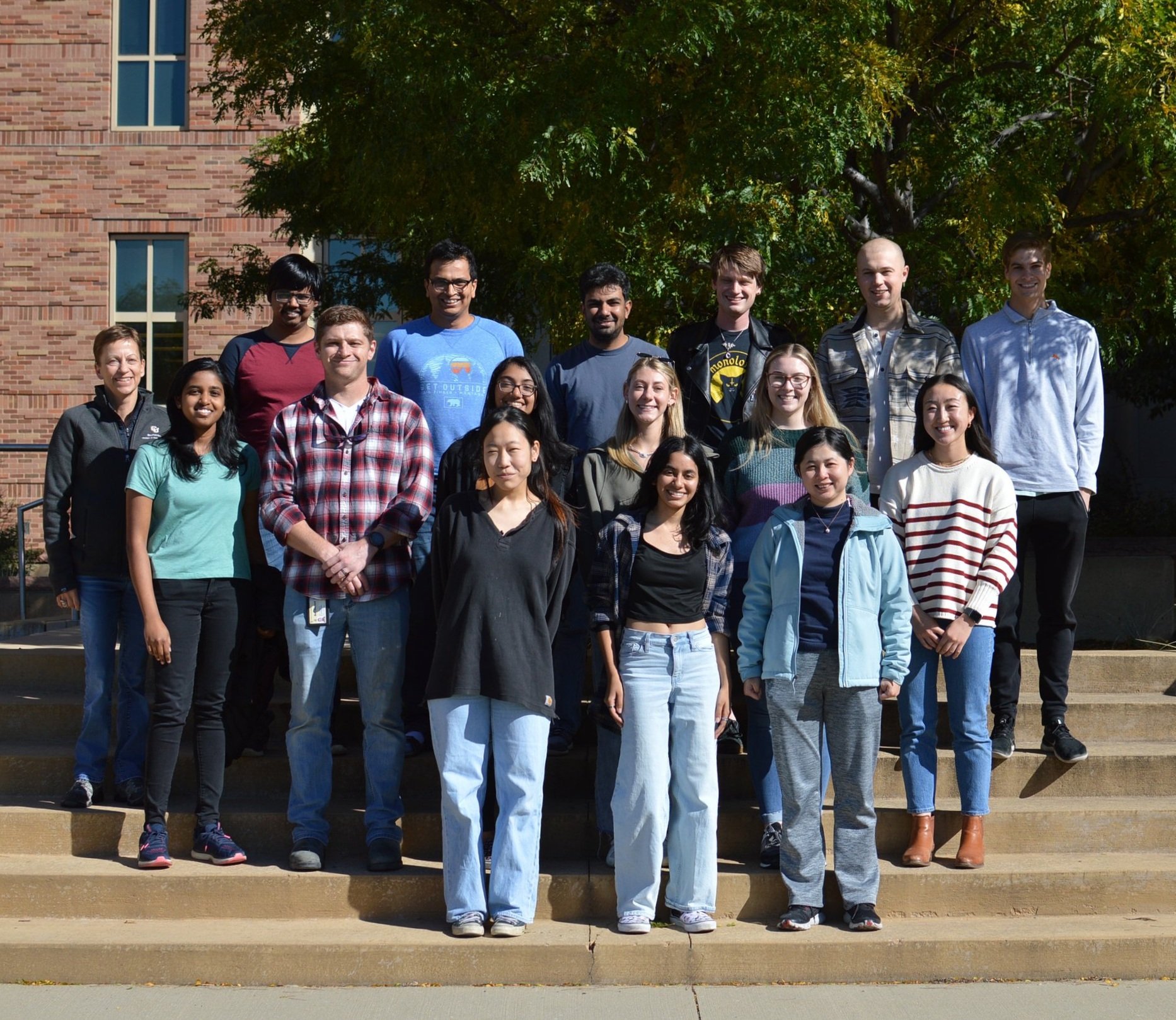
Kasinath Lab Fall 2023
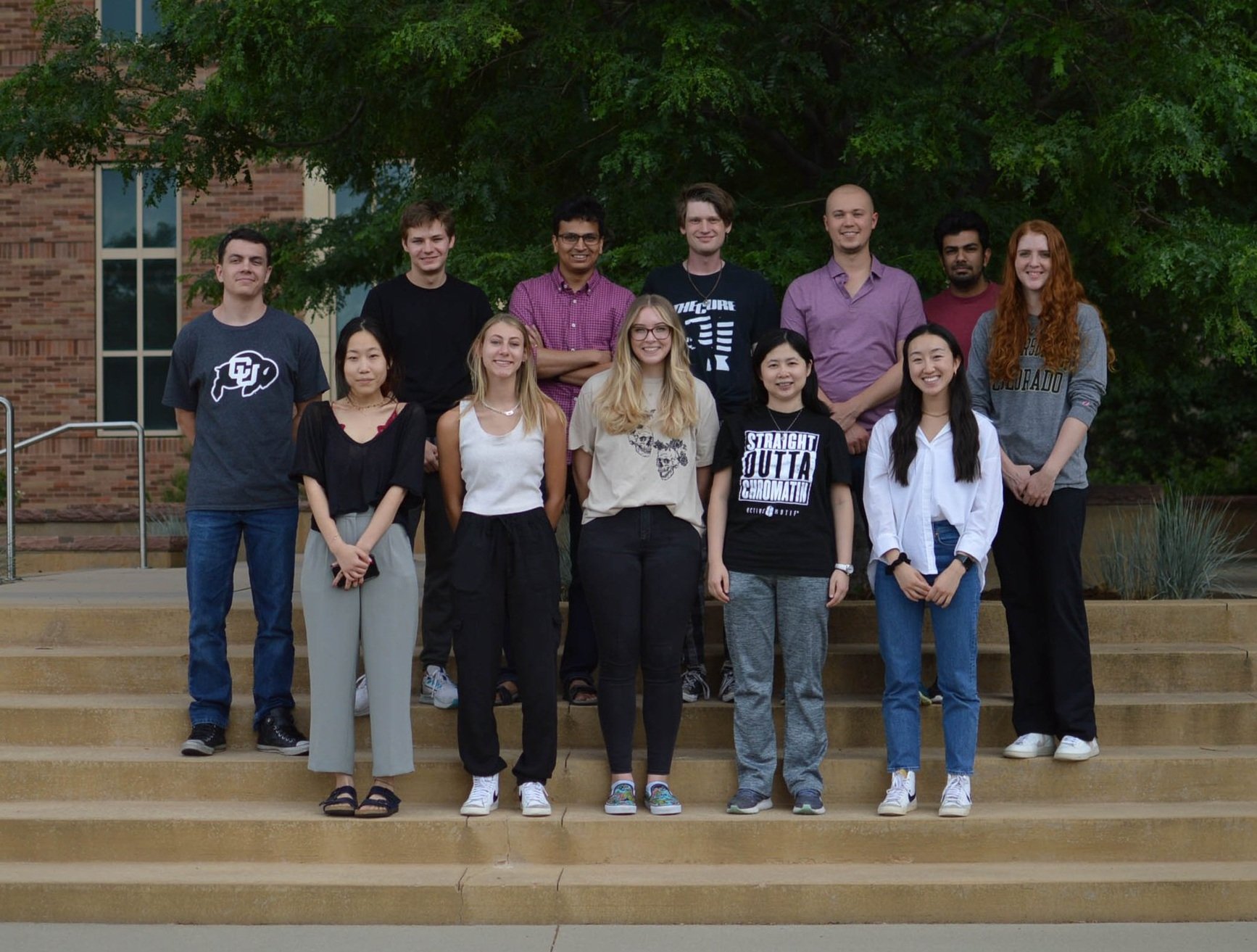
Kasinath Lab (June 2022)
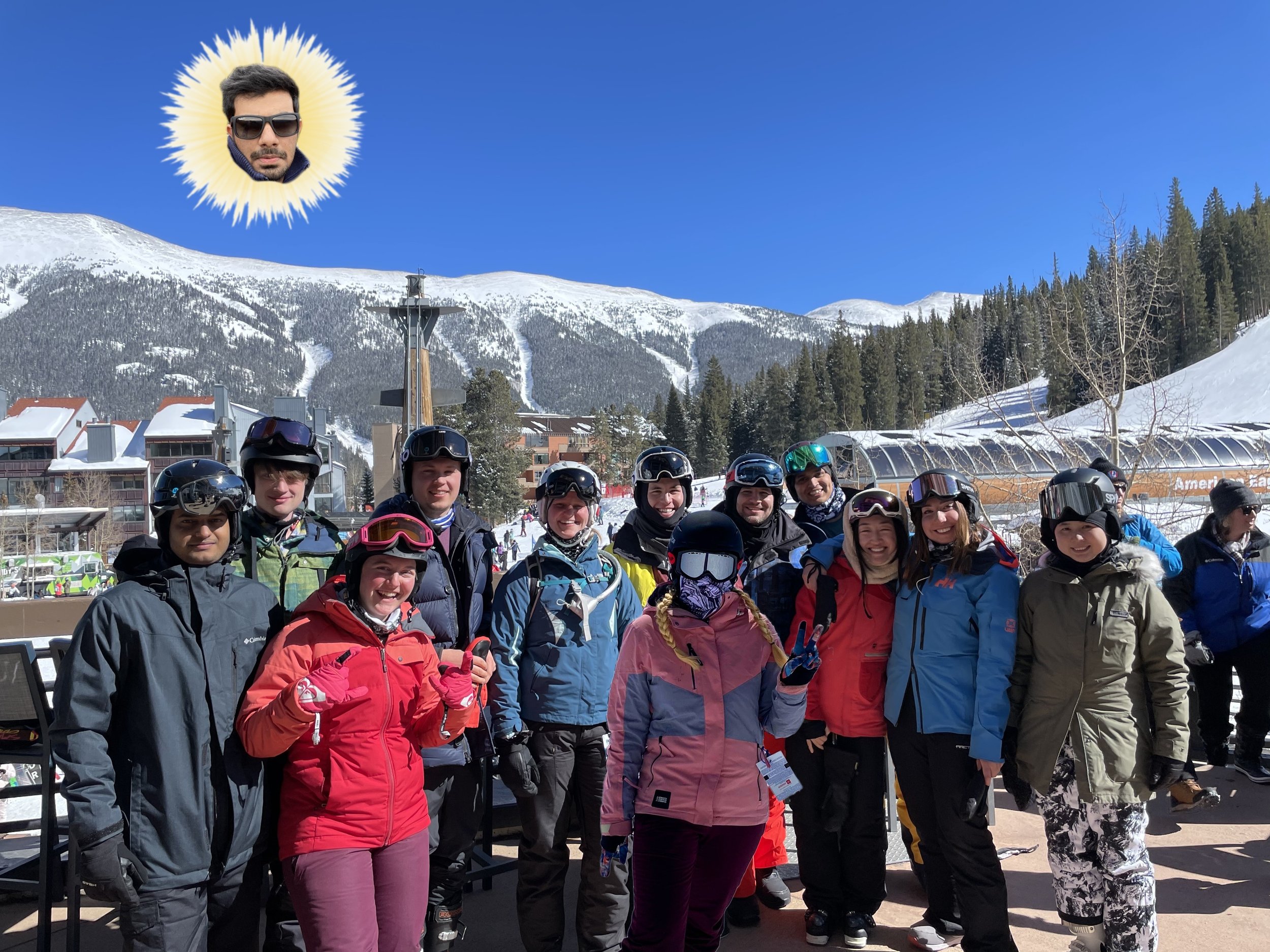
First Annual Joint-Lab Ski Trip
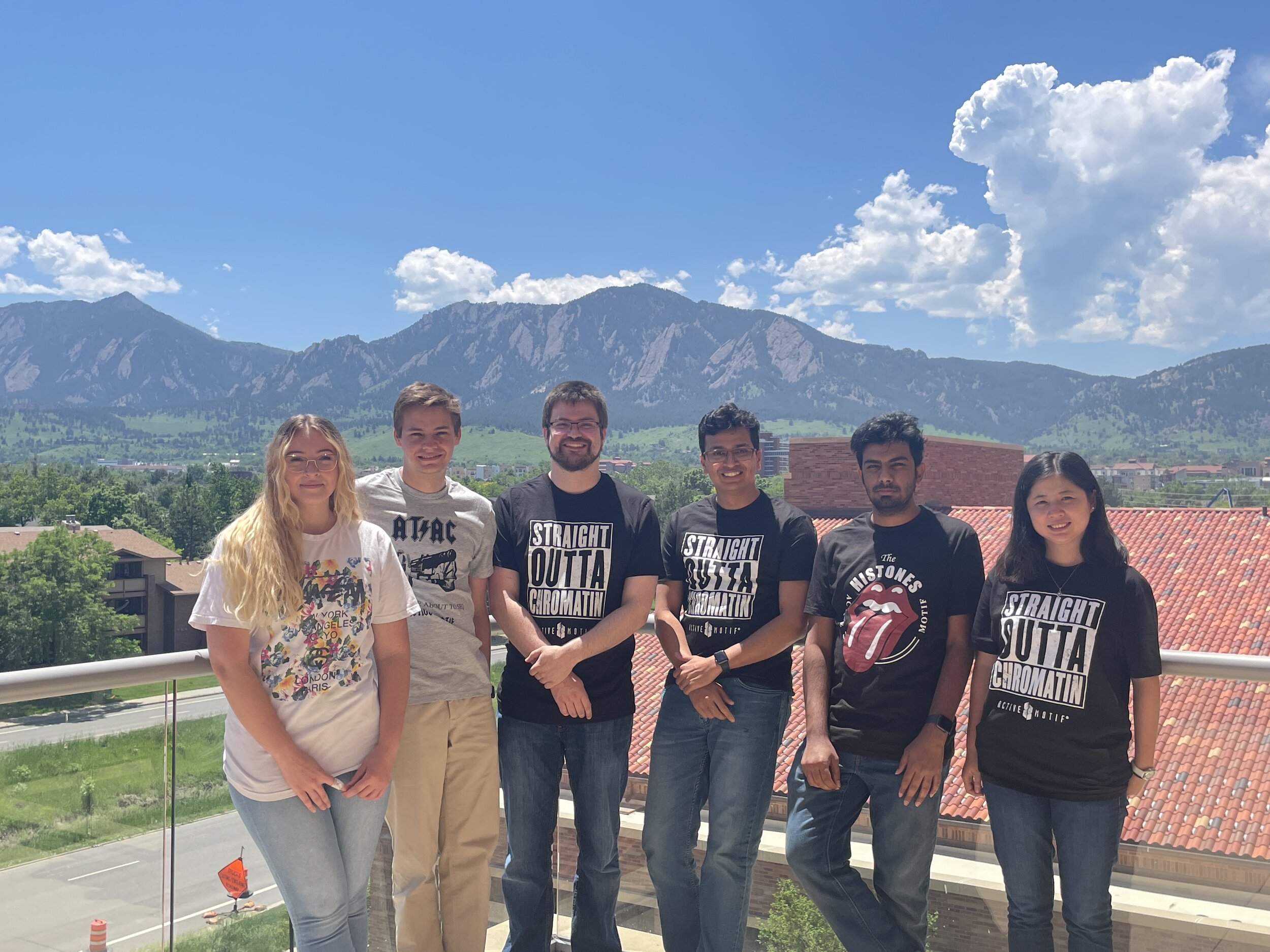
Kasinath Lab (June 2021)
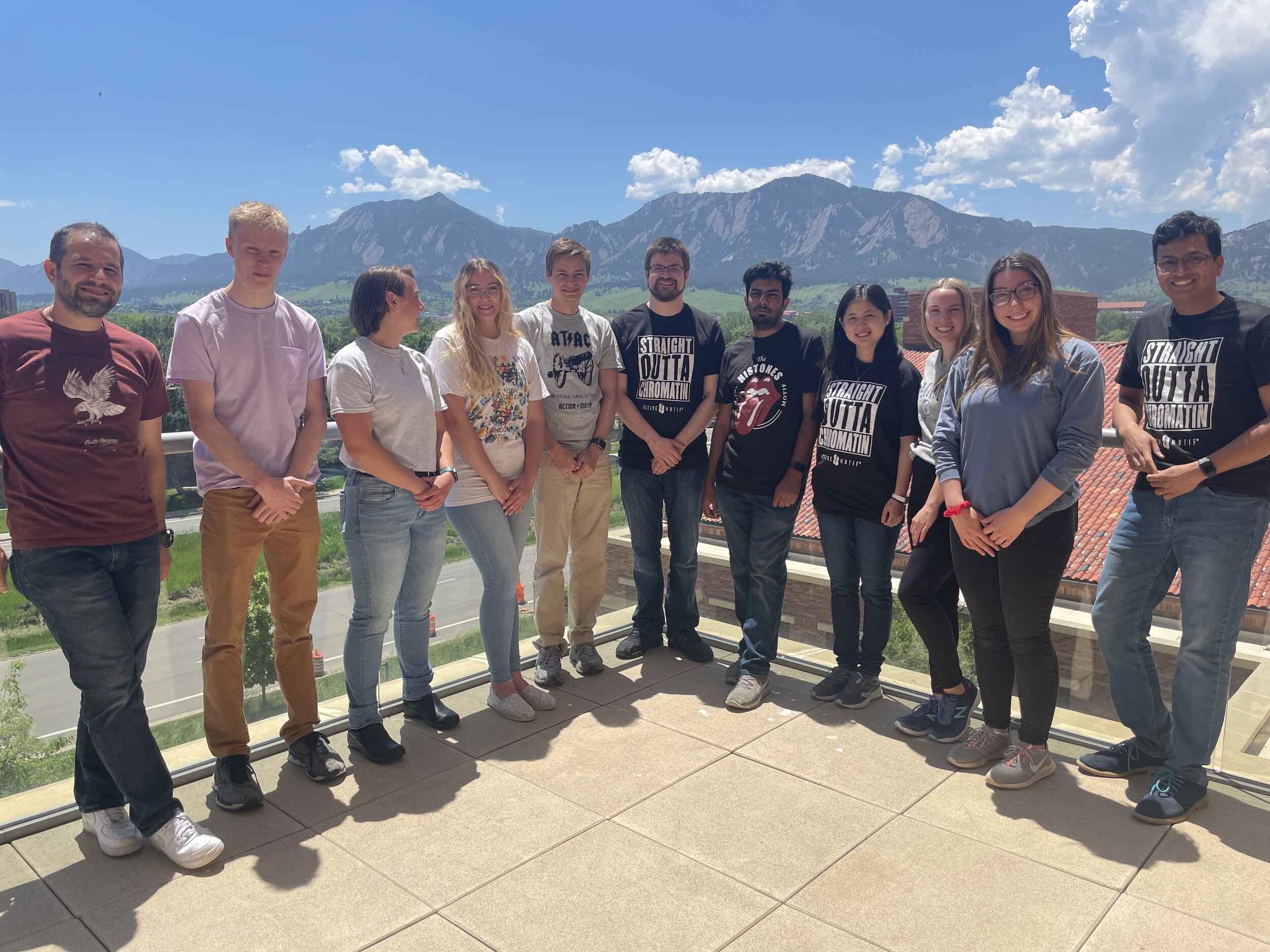
Joint Lab Photo (Aydin and Kasinath Labs)
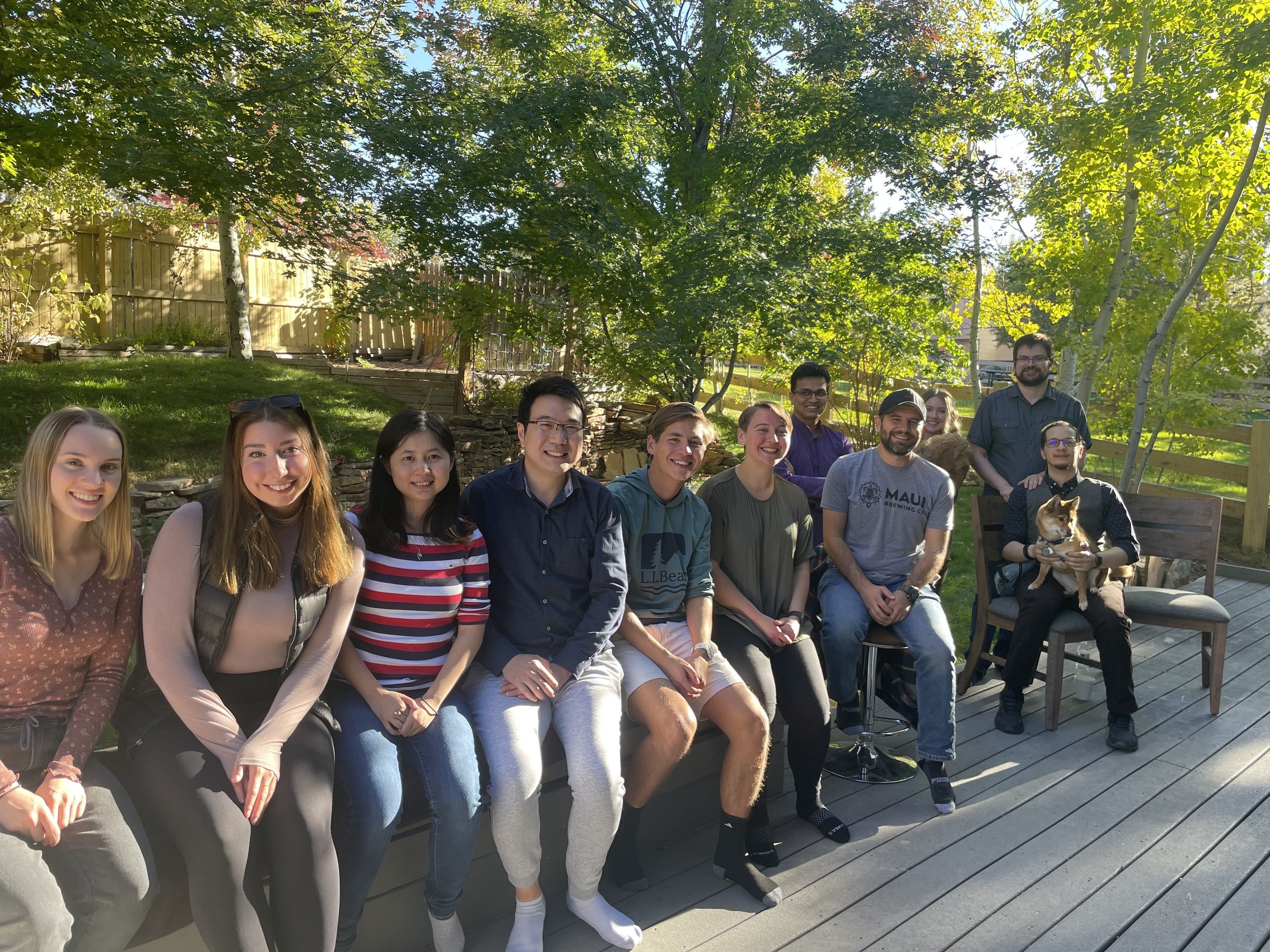
Potluck at Vignesh's house (Fall 2021)
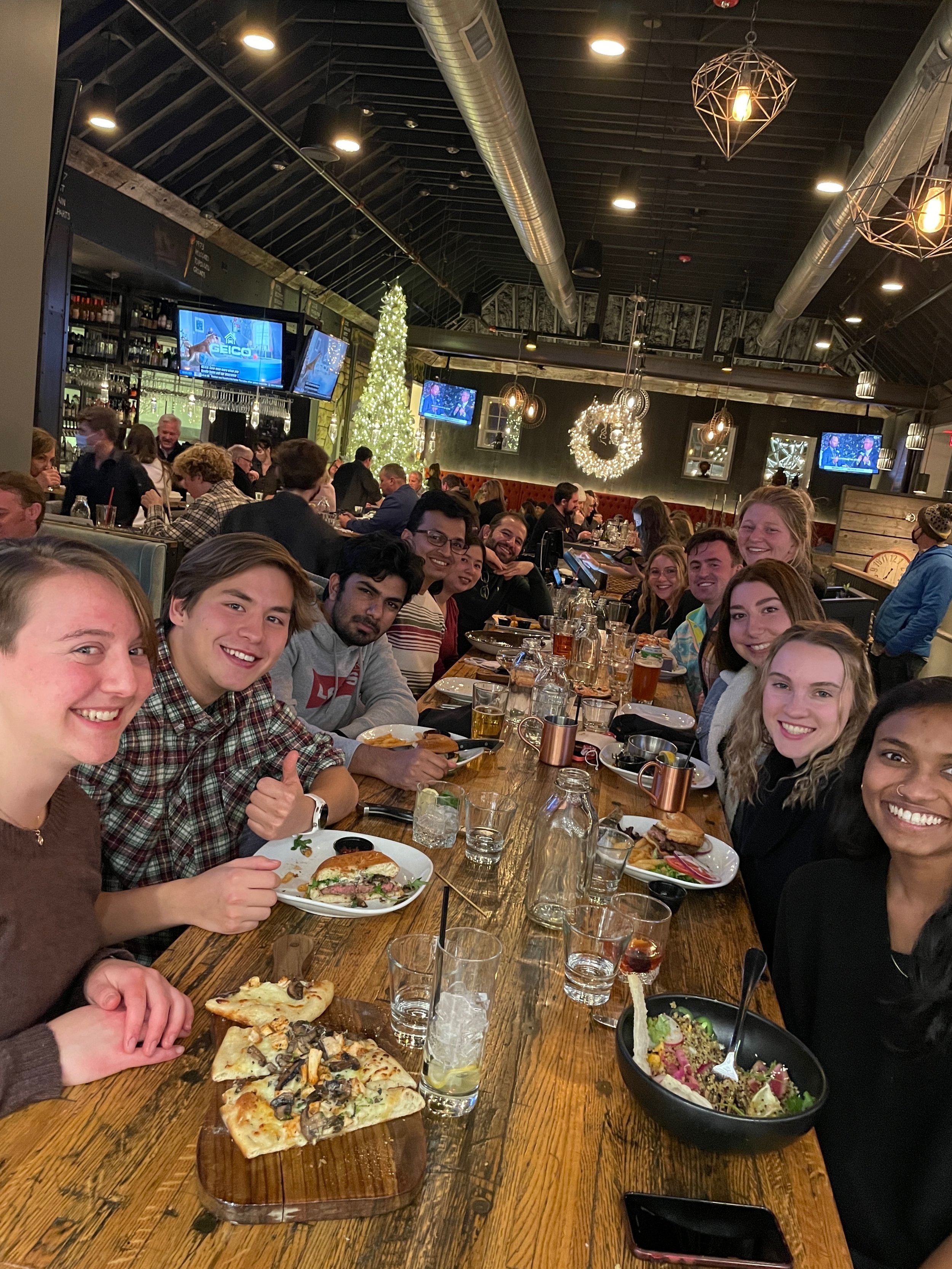
Kasinath - Aydin Joint Lab Christmas Dinner
Lab Shenanigans
Lab Shenanigans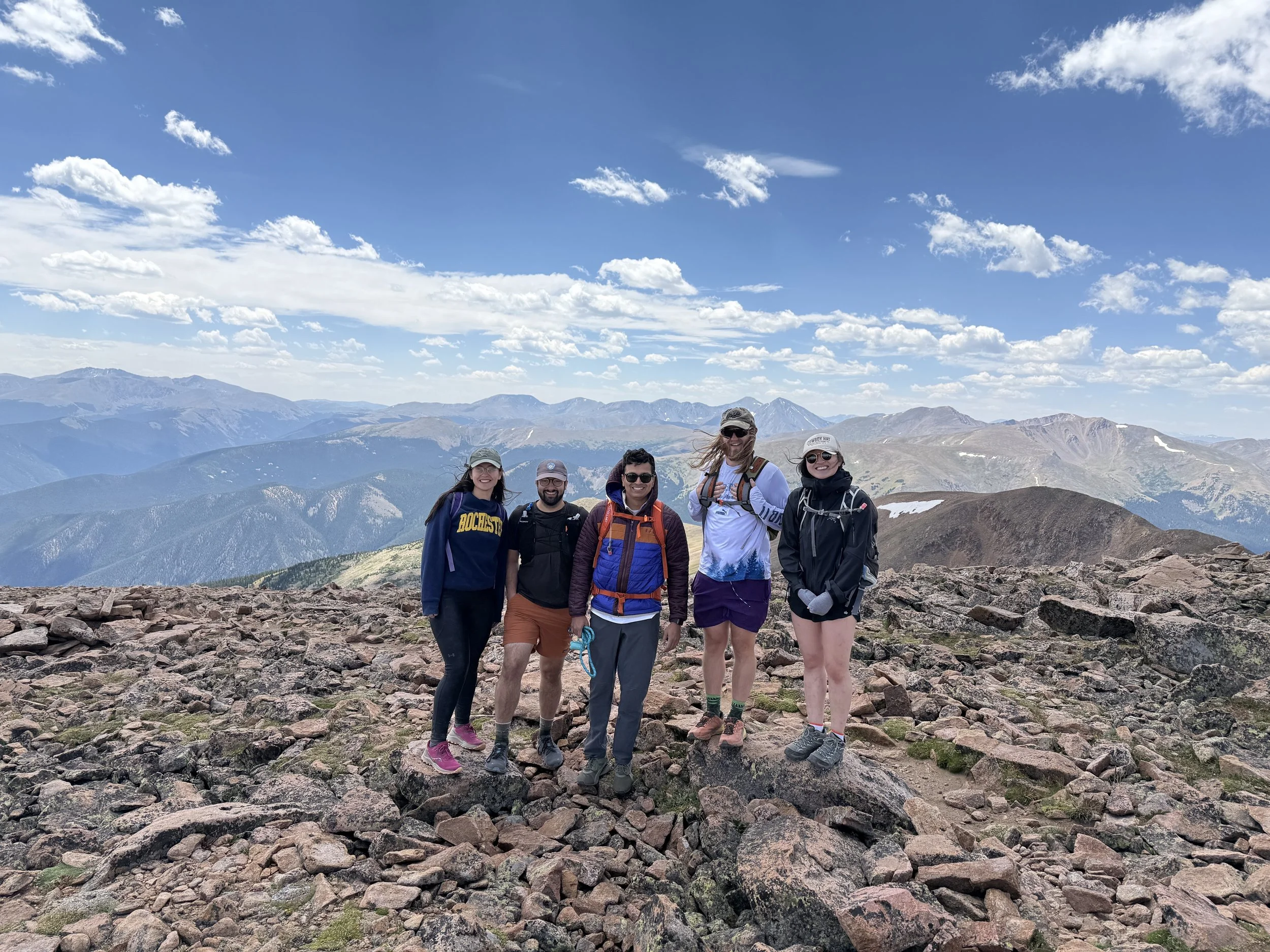
Kasinath Lab at 13,146 ft!
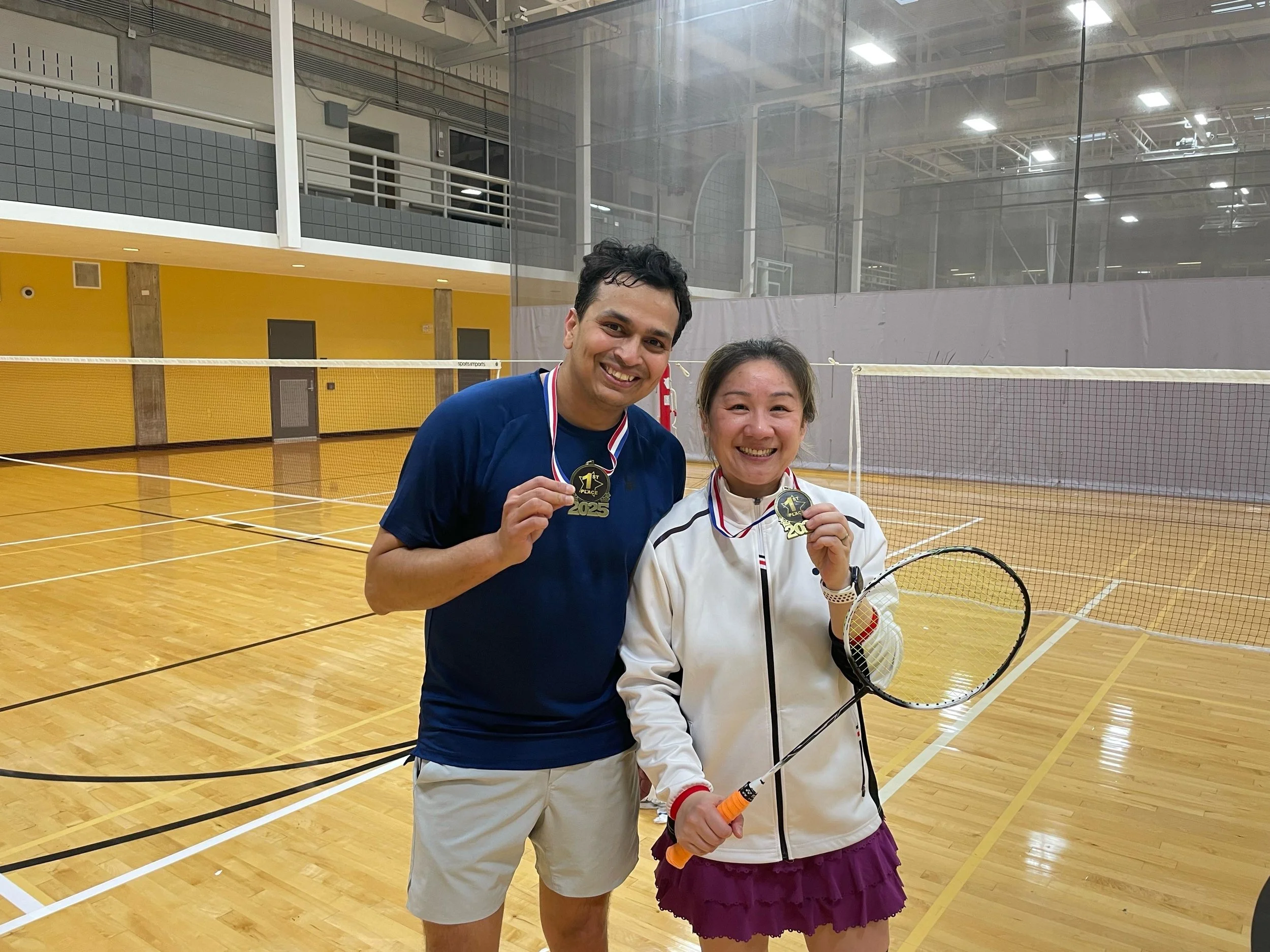
Vignesh winning the CU Boulder Badminton tournament!
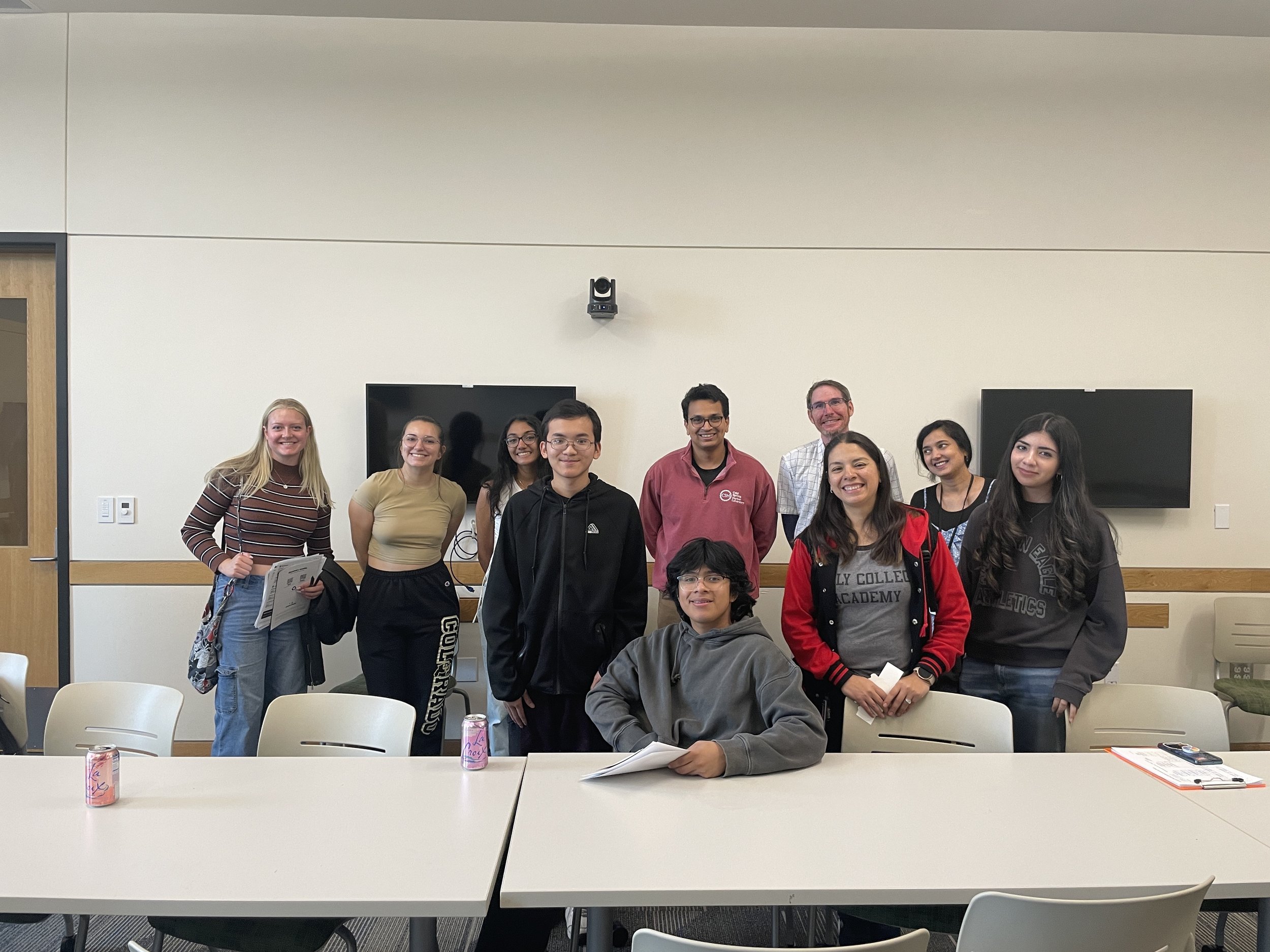
STEM Outreach: Early College Academy Workshop
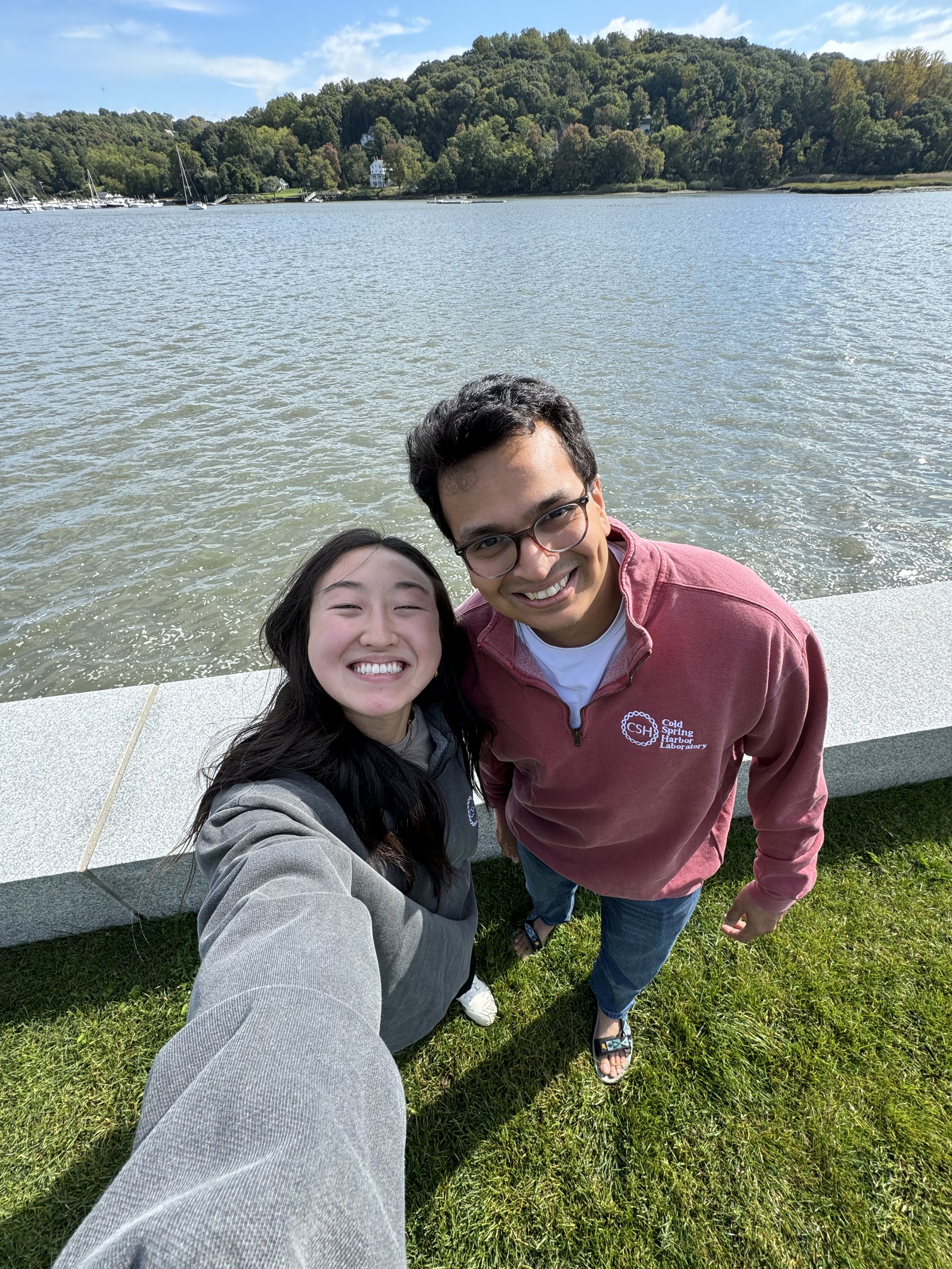
CSHL Conference: Scenic Waterfront Break

Lab Hike: Rocky Mountain Alpine Lake

Hiking Adventure: Forest Creek Crossing

ASBMB Conference: Vignesh, Angie, and Danielle
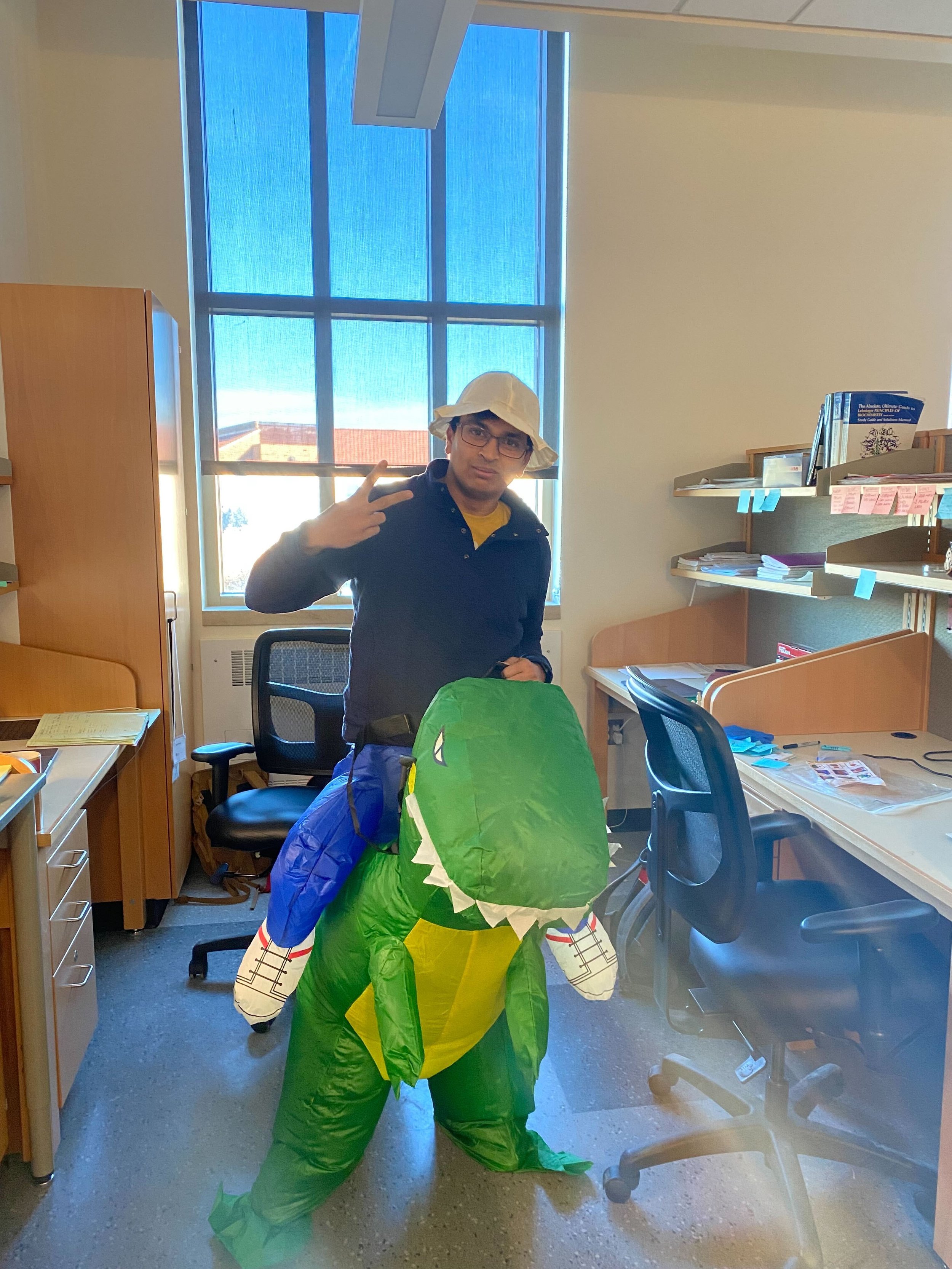
Halloween 2022

Lab Social: Dinner Celebration

CU Boulder Commencement: Graduation Celebration
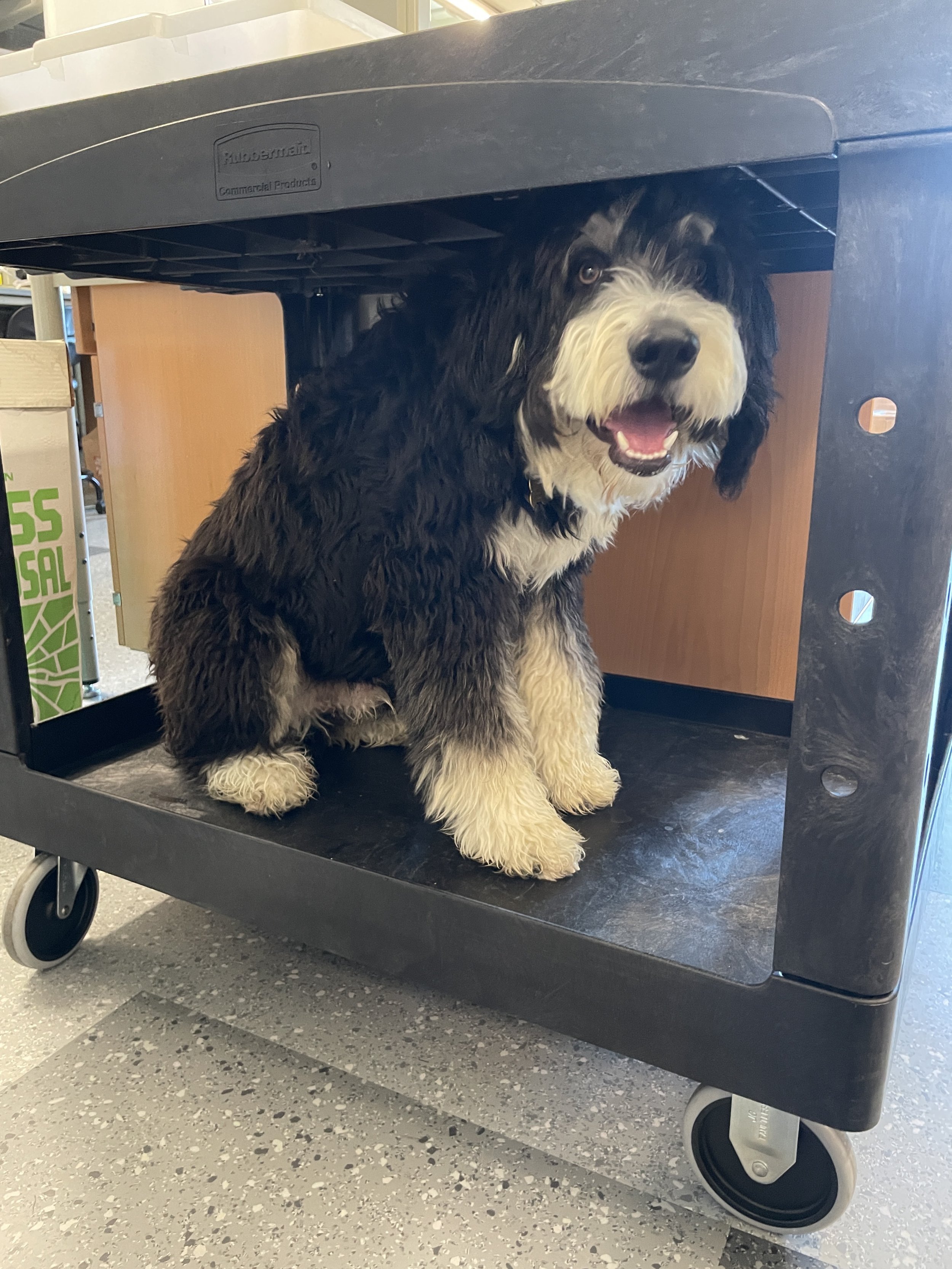
Meet Smudge: Lab Mascot on a Cart Ride
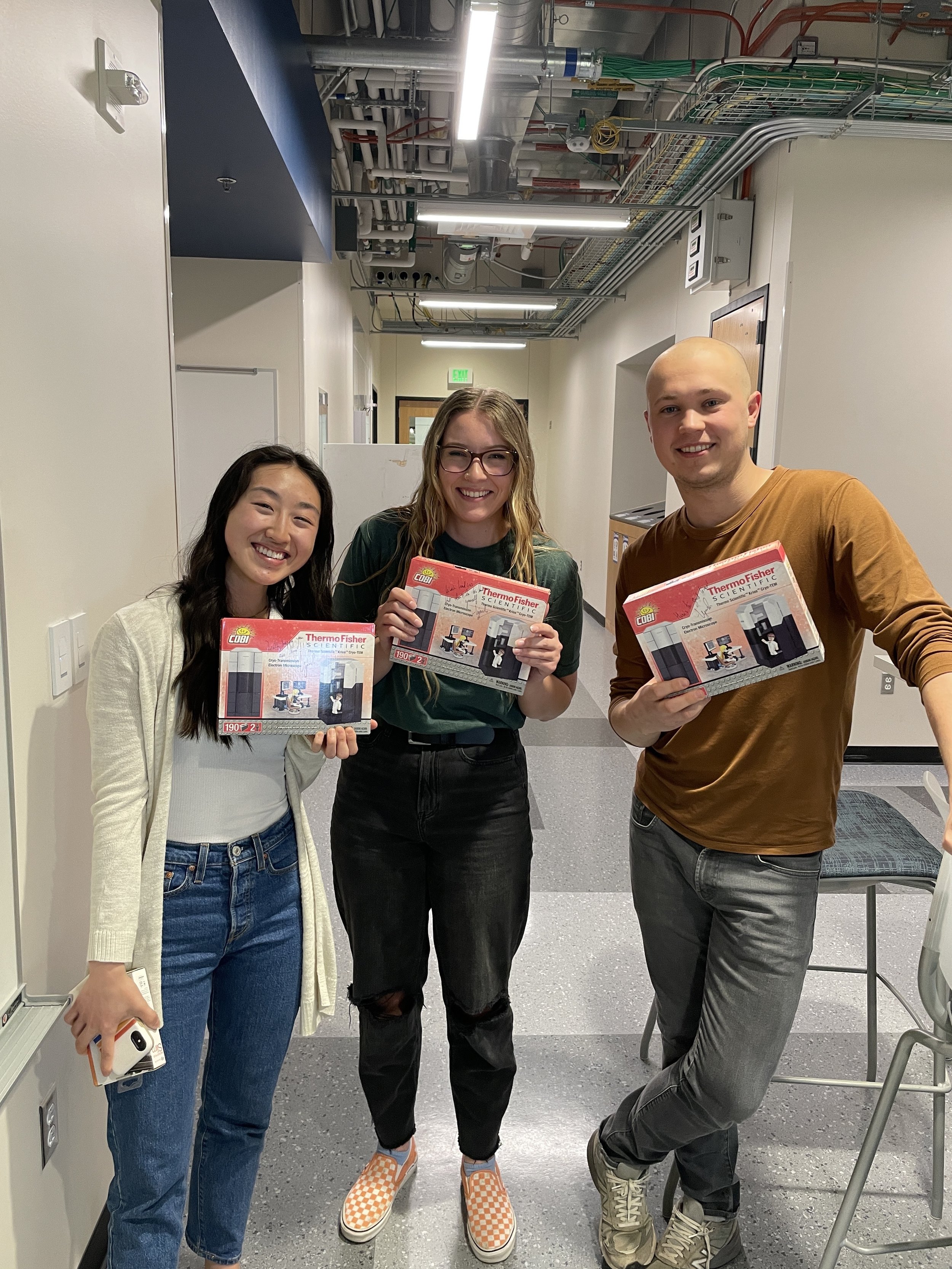
Grad students with their Lego Krios sets! - Spring 2022
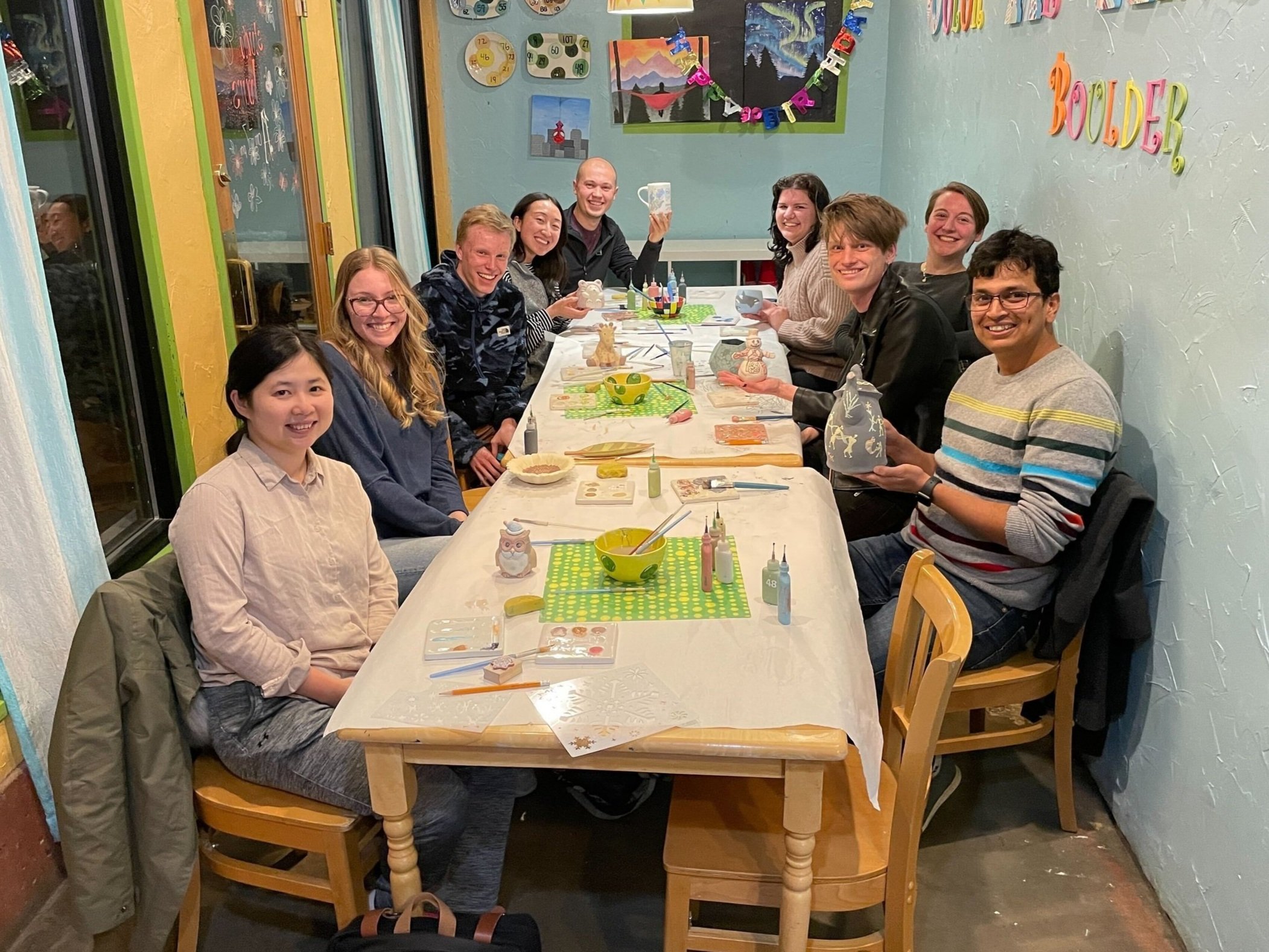
Lab outing to Color Me Mine!!

How NOT to drink Guinness Guide

PI approved LN2 chocolate ice cream
Ryan and Jeremy thrilled to see the Pink glow discharge - Easily pleased.
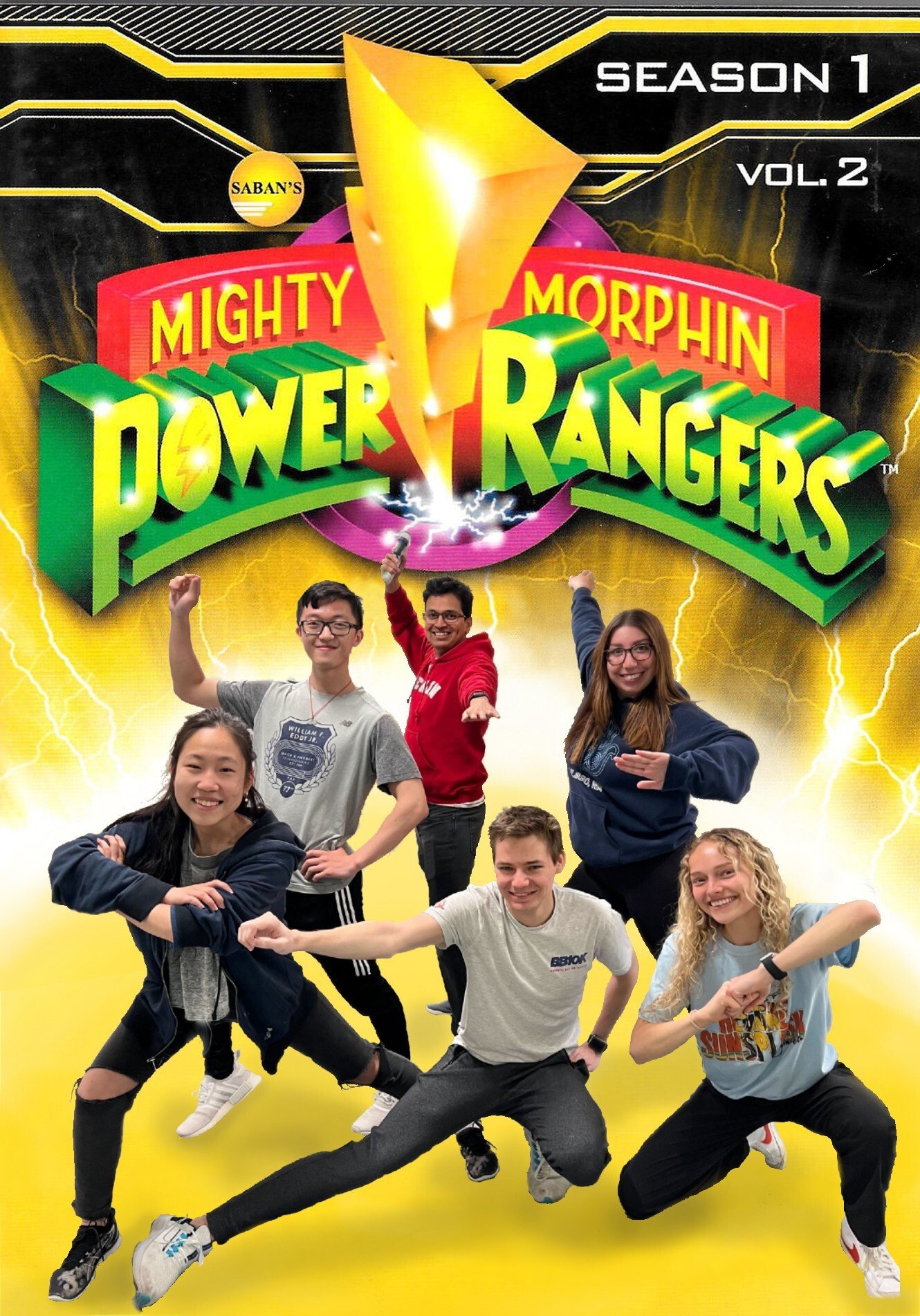
Mighty Morphin Kasinath Lab Members!
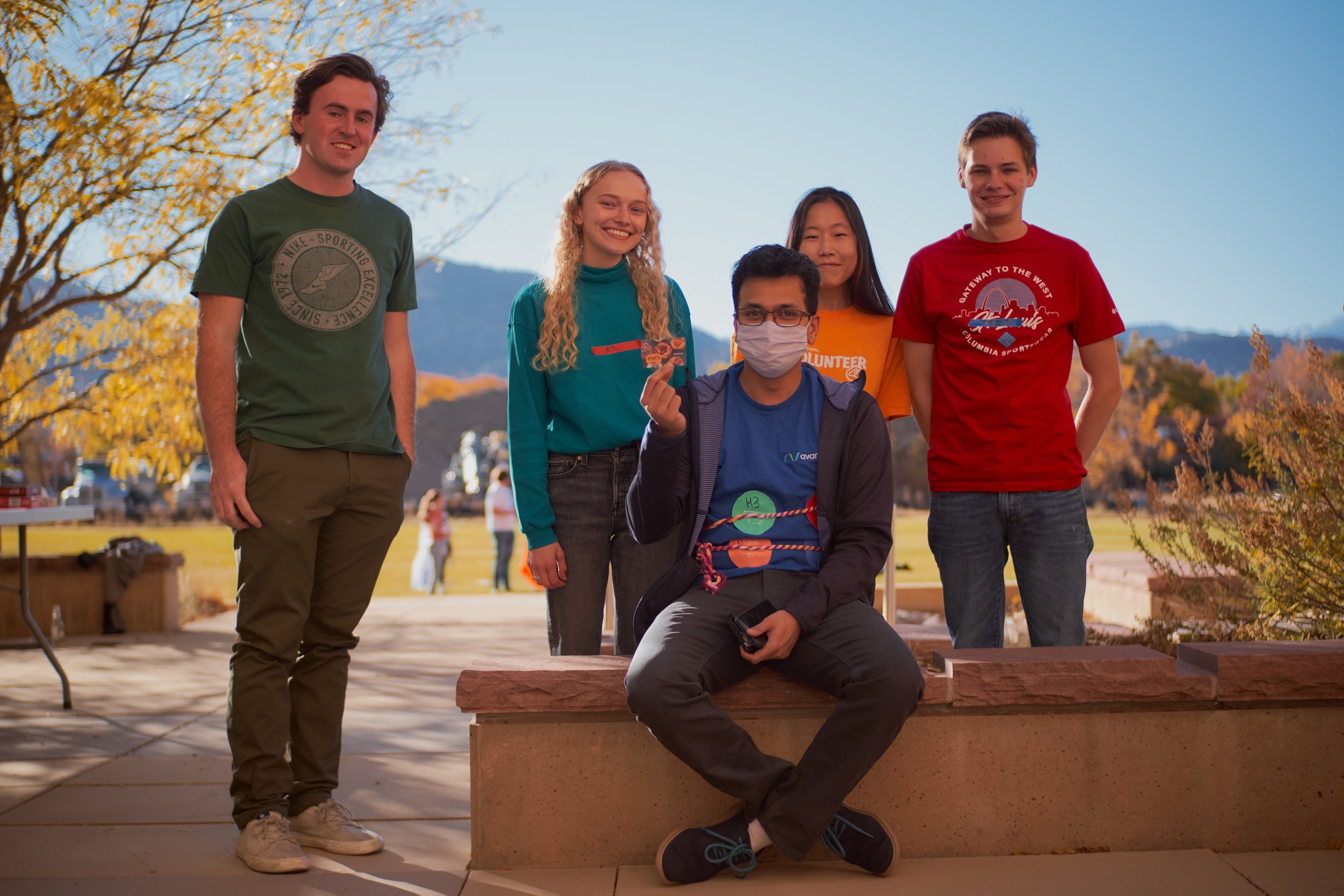
Halloween 2021
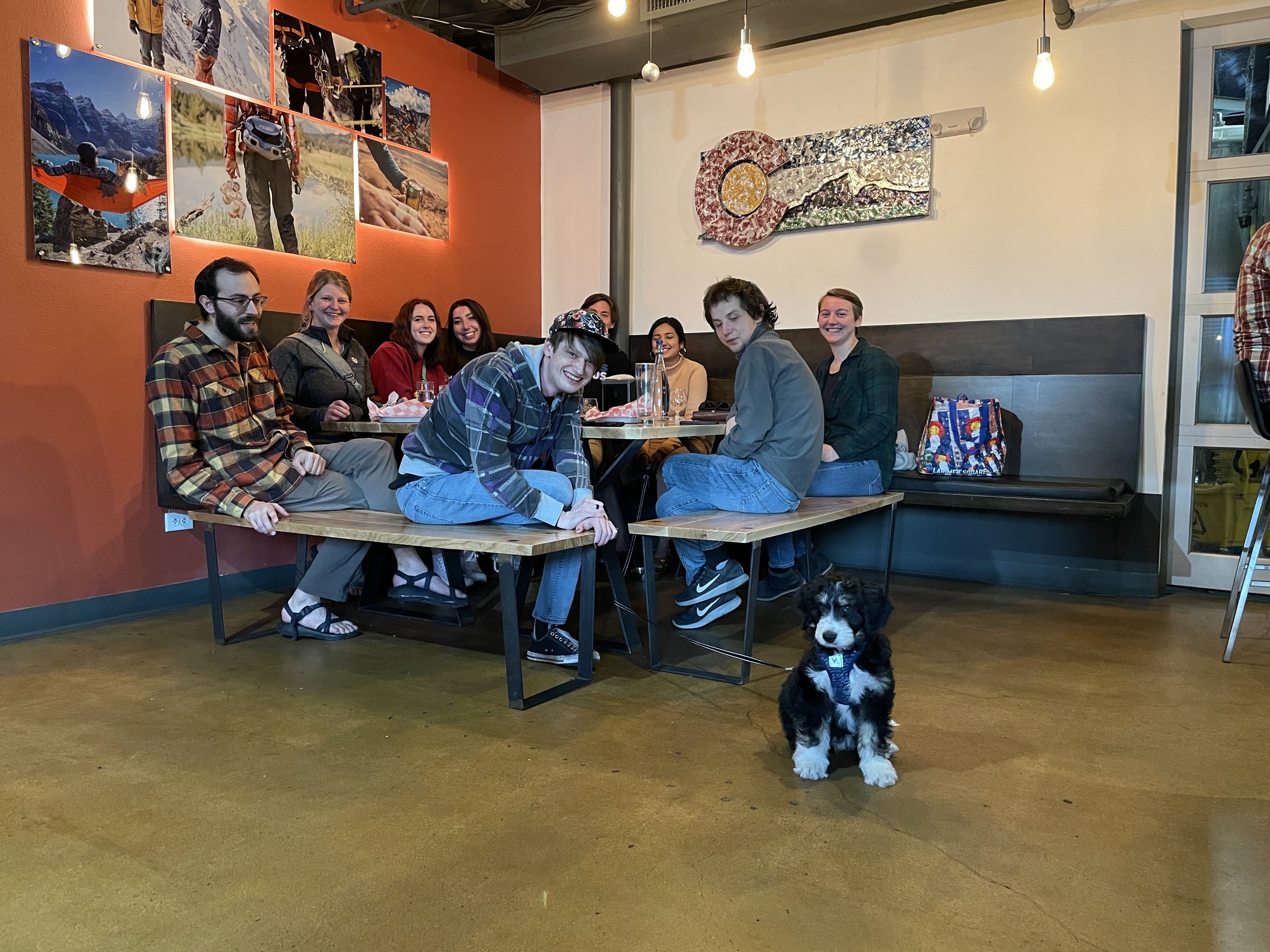
Lab Social Hour - Spring 2022
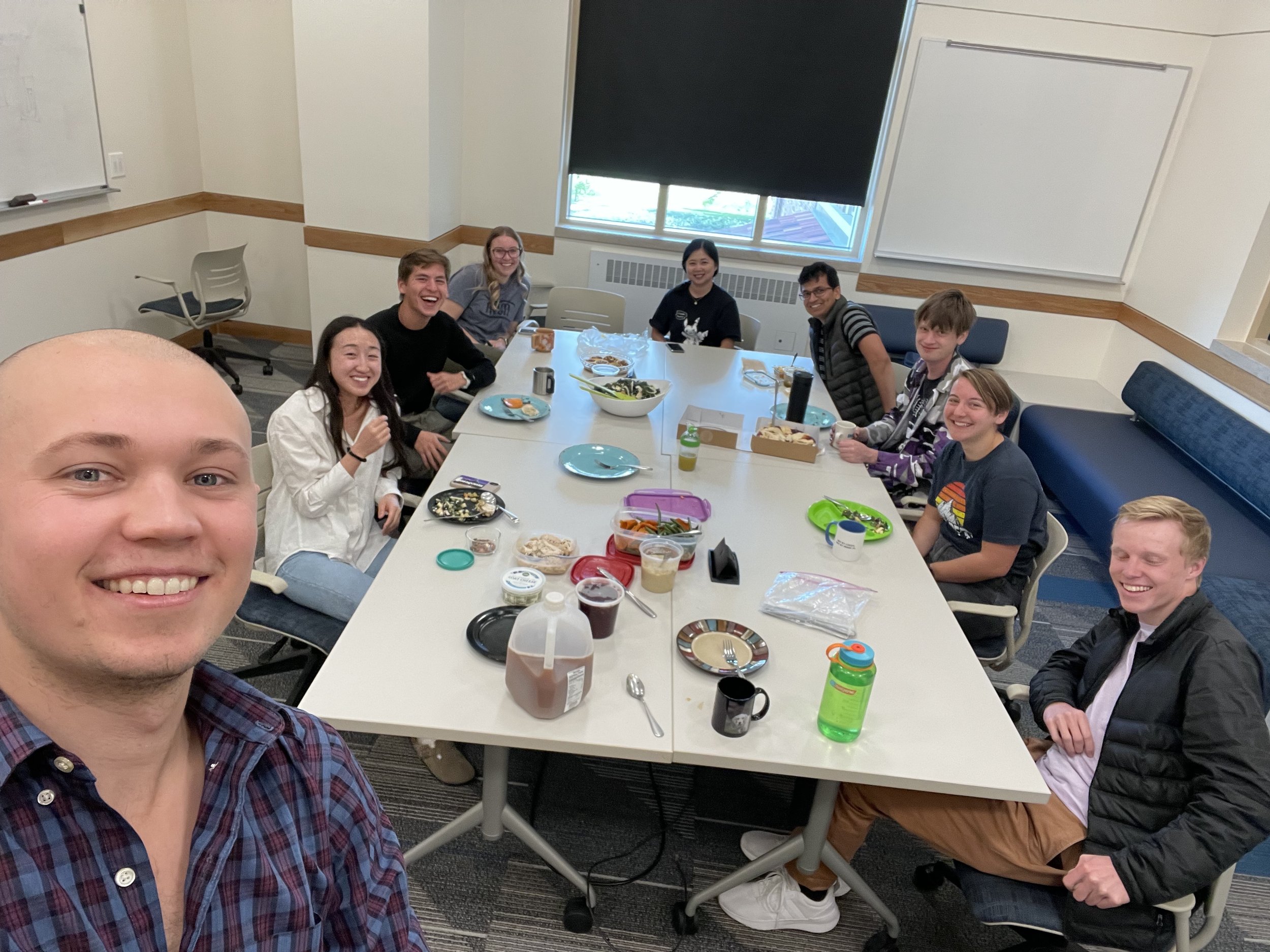
Canadian Thanksgiving - Fall 2022
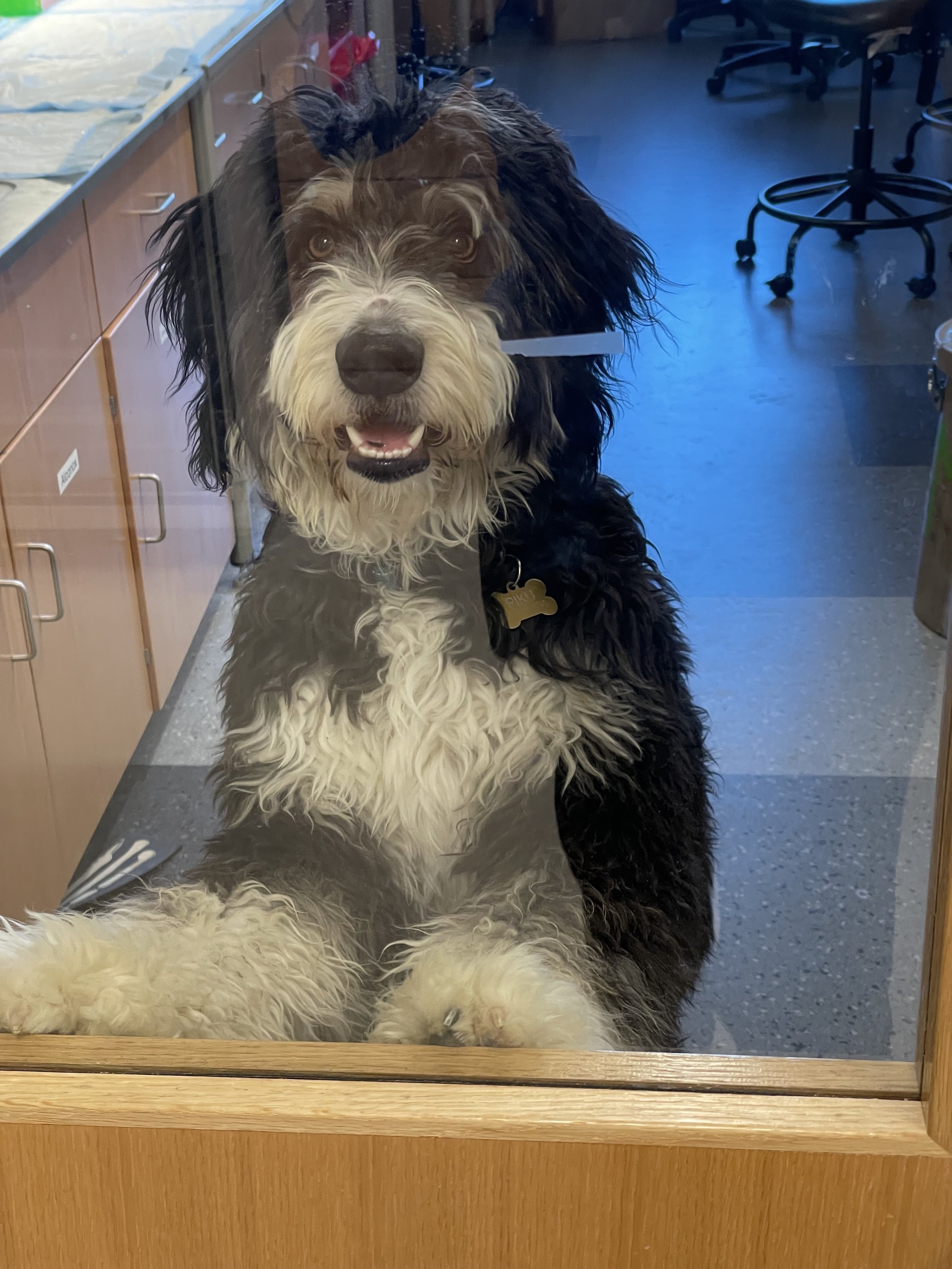
Piku wants to split cells
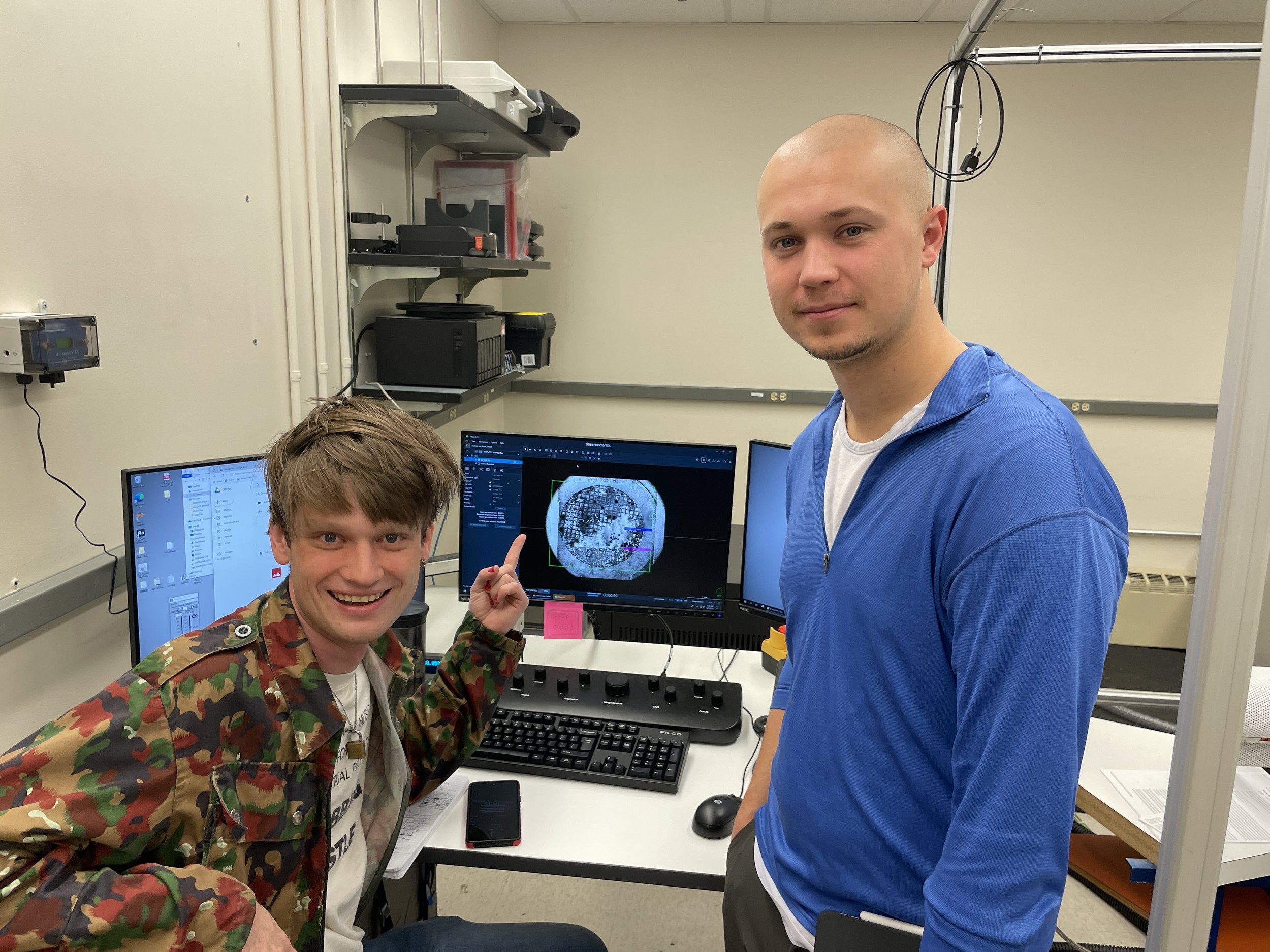
Mark and Ash @ CCET
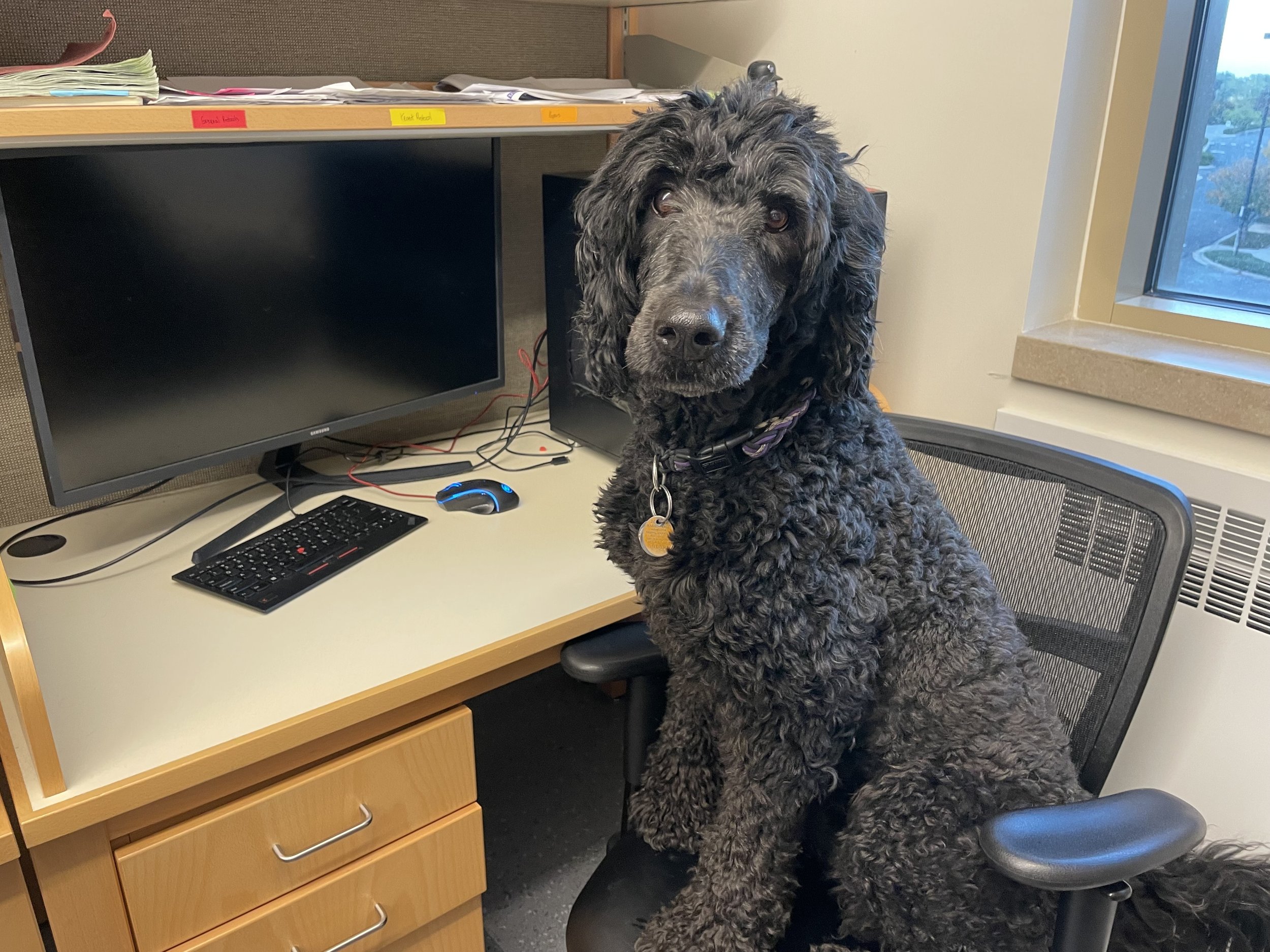
Smudge just wants to pick particles
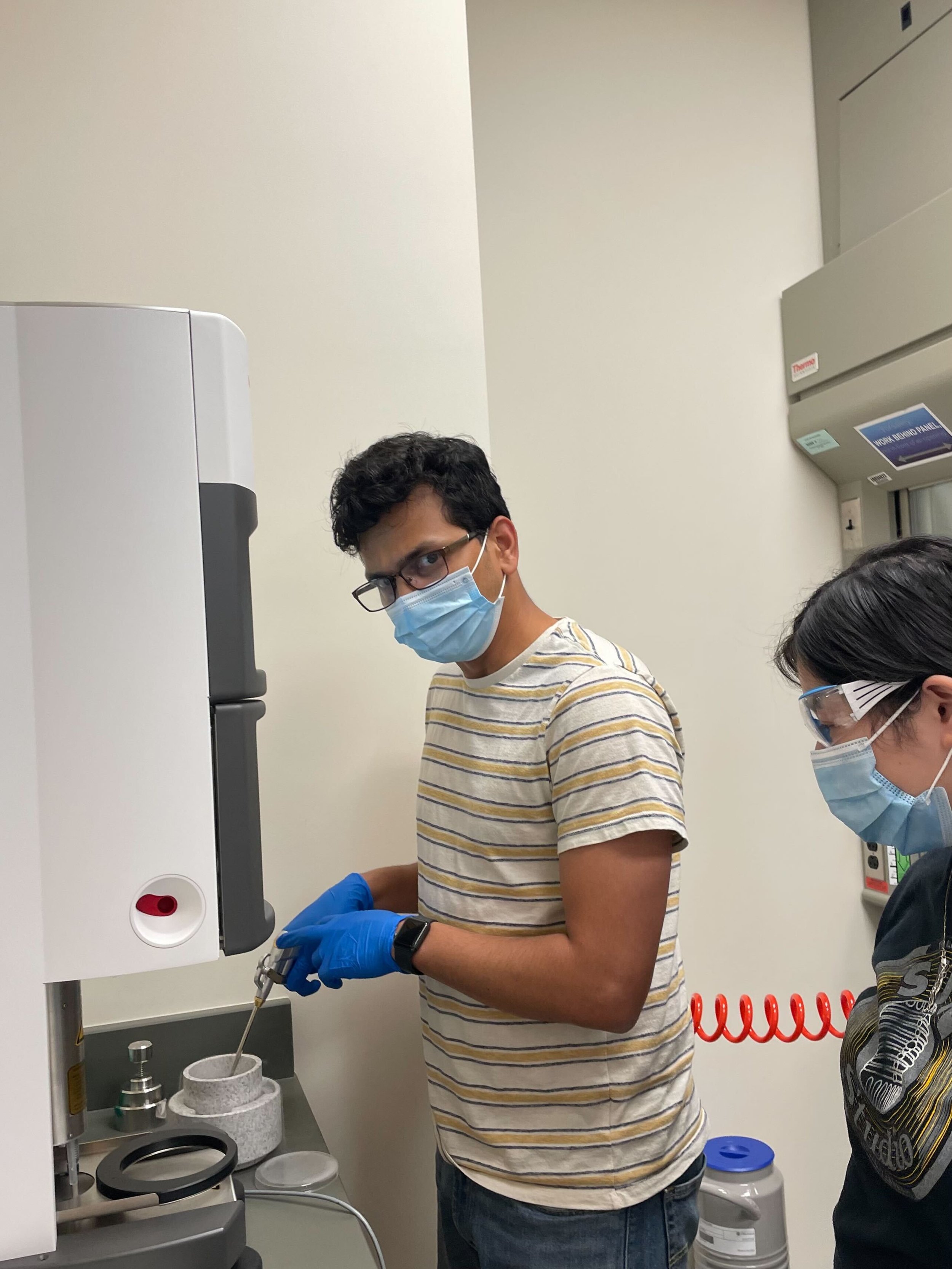
Vitrobot Session: Preparing Cryo-EM Grids
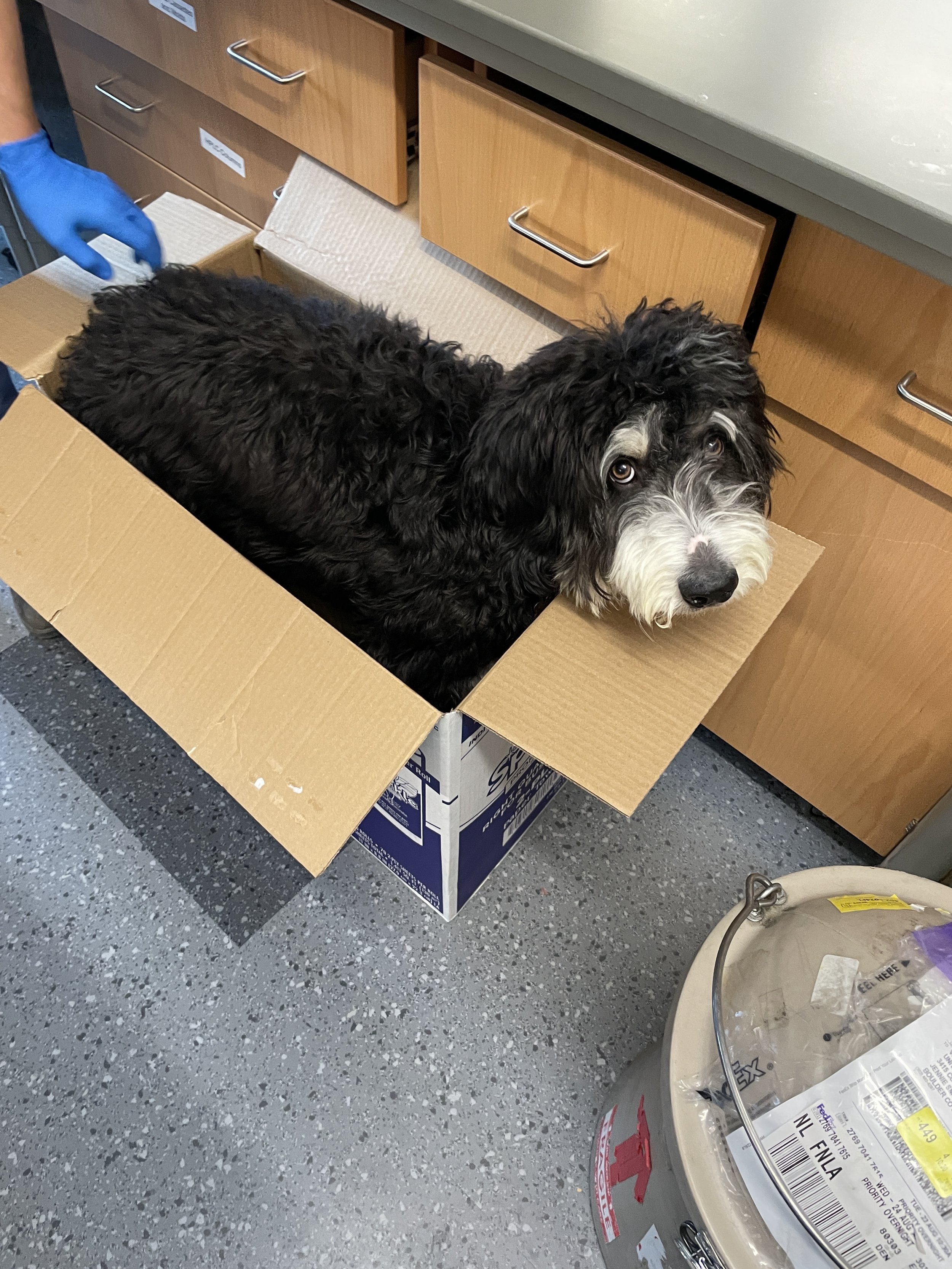
Smudge in a Box: "If it fits, I sits!"
Life outside the lab
Life outside the lab
Top of Mt. Ida (12,900 ft) - RMNP
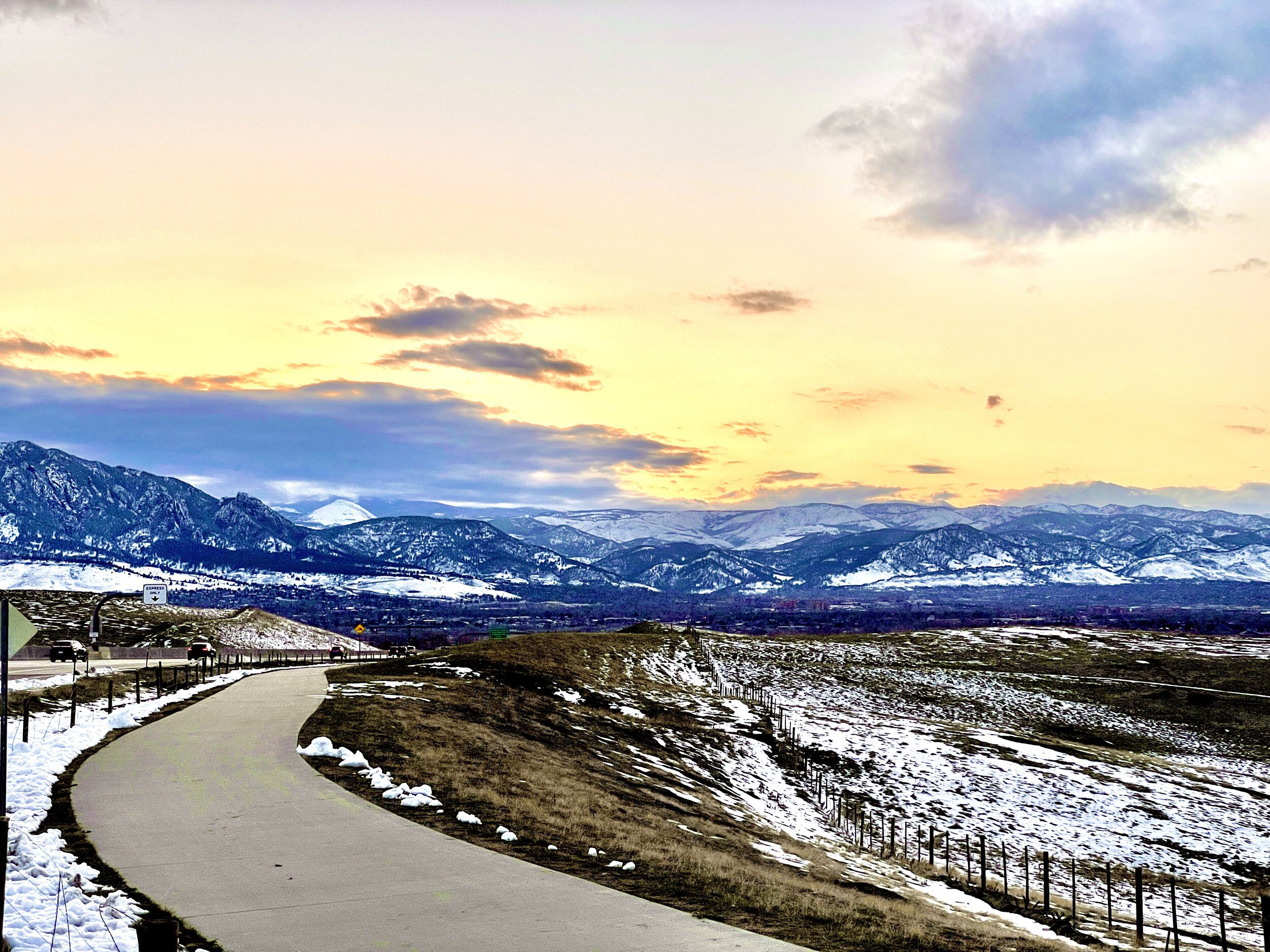
Boulder Flatirons - US 36

Sunset at Lost Gulch Lookout - Indian Peak Wilderness
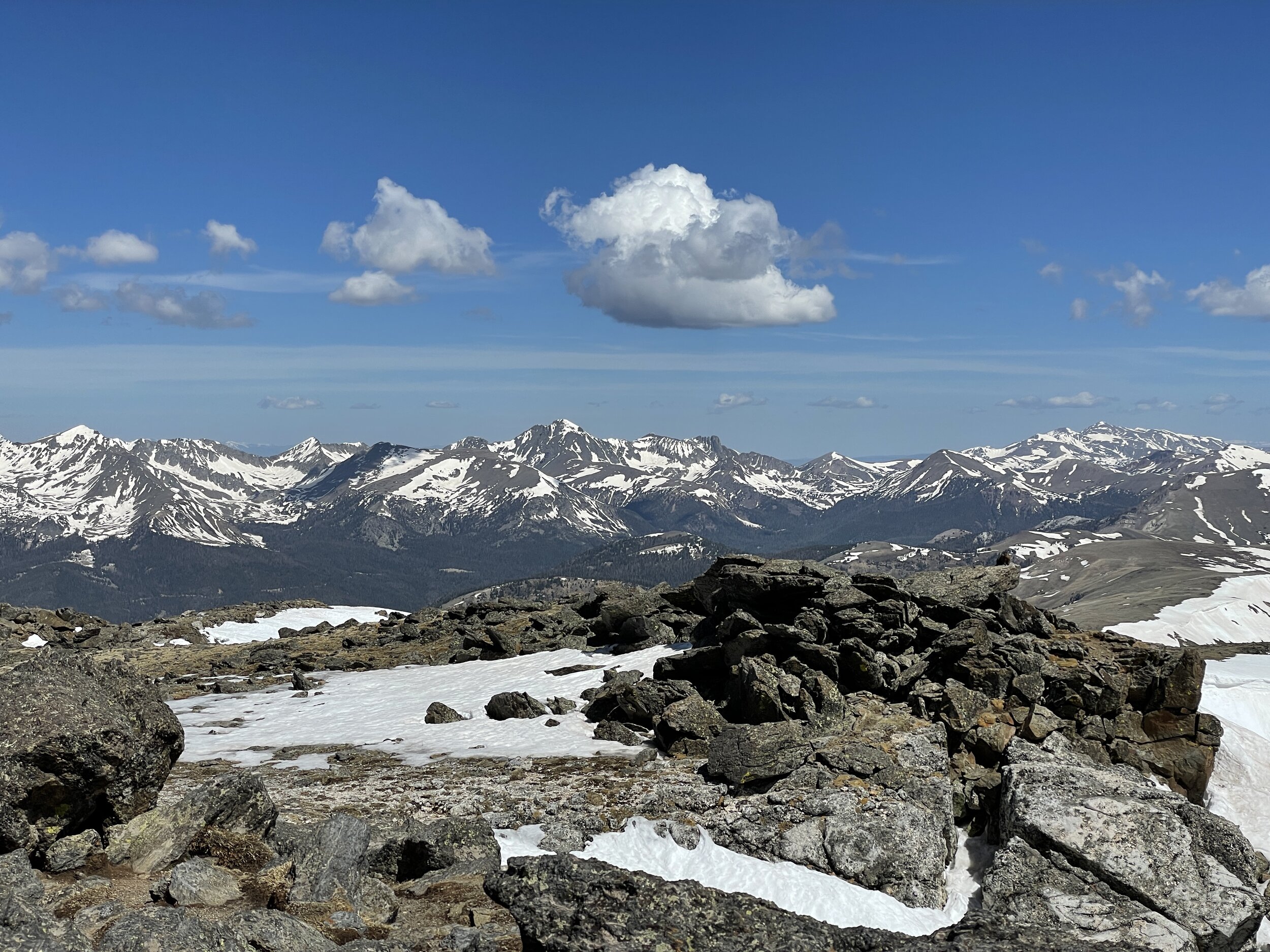
Never Summer Mountains - RMNP

Top of Beak Peak - 8500 ft (Boulder Flatirons)

Emerald Lake & Hallett Peak (12,700 ft) - RMNP

Hallett Peak (12,700 ft) - RMNP

Powder Day: Winter views at the ski resort
STEM Outreach & Education
The Kasinath lab is committed to growing and improving the scientific community and mentoring the future generation of scientists. We have hosted and mentored students from CU and specifically the Bridges to Biosciences (B2B) program, STEM UpLIFT program, community college, and high school.
We have partnered with AIMS Community College and Early College Academy by hosting a summer workshop for students as well as seminars at AIMS. We hosted one such workshop in July 2024 (see below), another for Early College Academy students in October 2024 (see below), as well as hosted tours of our lab for Science Colloquium.

July 2024 - Presenting our scientific journeys to the Bridges to Bioscience (B2B) Program!

February 2025 - Lab tour for Science Colloquium students

October 2024 - The lab presented our scientific journeys and research projects, as well as gave tours of the lab and core facilities to Early College Academy students

Danielle showed students the Vitrobot and how we use it to make cryo-EM grids.

Robert and Malia showed students the C. elegans we keep in the lab and how we utilize this model organism.
Meet the Team
We are a dedicated group of molecular biophysicists, biochemists, and computer scientists working together to answer fundamental questions about gene regulation.

Vignesh Kasinath
Assistant Professor of Biochemistry

Carolina Valderrama Hincapie

Eric Lian

George S. Stephenson

Hailey Geva

Ian Kunkel

Jessica Song

Liqi Yao

Mark Matyas

Nandini Das

Noah Lohar

Robert Mair
Sanjana Baranidharan

Vedanth (Ved) Murari

Will Burczyk

Piku
Alumni
- Danielle Guillen, PhD (PhD Candidate) — Now at Novo Nordisk
- Keagan Hesse (Biochemistry PhD Candidate)
- Shanmukha Vamshi Kuruba (Computer Science Masters Student)
- Malia Edgerton (Undergraduate Research Student, 2024-2025)
- Iona Kelly (B2B, Summer 2025)
- Malavika Vinod (Undergraduate Research Student, 2022-2025) — Now Graduate Student at UCSF
- Kaylor Huang (High School, Summer 2024)
- Catrina Day (STEM UpLIFT, 2023-2024)
- Angel Zhang (PRA, 2022-2024) — Now at UCSF (preparing for Med School)
- Emma Judge (Undergraduate Research Student, 2022-2024) — Preparing for Med School
- Jack Stoner (Undergraduate Research Student, 2023-2024) — Preparing for Graduate School (PhD)
- Vrinda Anil (Computer Science Research Student, 2022-2024) — Now Software Engineer at Amazon
- Akhil Gargey Iragavarapu (Postdoctoral Fellow, 2021-2024)
- Aubrey Wolfe (Biochemistry Rotation Student, Spring 2023)
- Avy Chiluka (Undergraduate Student Researcher, IPHY, 2022-2023)
- Ash Weier (Lab Manager, 2022-2023) — Now PRA at CU Boulder Center for Cryo Electron Tomography
- Niraj Gupta (Computer Science Masters Student, 2022-2023) — Now Software Engineer at Arista Networks
- Maggie Cornelius (Undergraduate Student Researcher, MCDB, 2021-2023)
- Phuoc Huynh (MCDB Rotation Student, Fall 2022)
- Carson McKenna (STEM UpLIFT / Summer Undergraduate Student, 2022)
- Ryan Otten (Community College / Summer Undergraduate Student, 2022)
- Ryan Stoner (Undergraduate Student, 2020-2022) — Now NIH Postbac
- David Vaisar (Biochemistry Rotation Student, Spring 2022)
- Miranda Juarros (Biochemistry Rotation Student, Spring 2022)
- Casey Simoes (Lab Manager, 2021-2022)
- Shamira Gonzalez (Biochemistry Rotation Student, Fall 2021)
- Sashi Weerawarana (Biochemistry Rotation Student, Fall 2021)
- Tyler Hobbs (Biochemistry Undergraduate, Fall 2021) — Now Laboratory Associate at SomaLogic
- Elijah Ortivez (STEM UpLIFT, Fall 2021)
Join Us
We are always seeking passionate and motivated researchers to join our lab. If you are interested in exploring complex structural molecular biology systems using cutting-edge tools, check out our current openings.
Computational Project Positions
Positions are available immediately for undergraduate and master's students interested in computational structural biology. Projects involve cryo-EM data preprocessing, 3D tomogram alignment, and developing structural visualization routines. Python experience is highly recommended.
Postdoctoral Fellow in Cryo-EM
We are looking for highly motivated postdocs with experience in molecular biology, biochemistry, or structural biology. The candidate will lead projects determining high-resolution structures of nucleosome-bound complexes and functional genomics.
Contact & Location
Our laboratory is located within the Department of Biochemistry at the University of Colorado Boulder. Feel free to reach out to us with research inquiries or application questions.
Mailing & Lab Address
Jennie Smoly Caruthers Biotechnology Building (JSCBB)
University of Colorado Boulder
3415 Colorado Ave, Boulder, CO 80303
Email Inquiries
vignesh[@]colorado.edu
